Adaptive Responses in Mobile Reward Systems: Connecting Deposit Methods to VIP Progression Paths
Written by Riley Günther · Jun 19, 2026
Adaptive Responses in Mobile Reward Systems: Connecting Deposit Methods to VIP Progression Paths
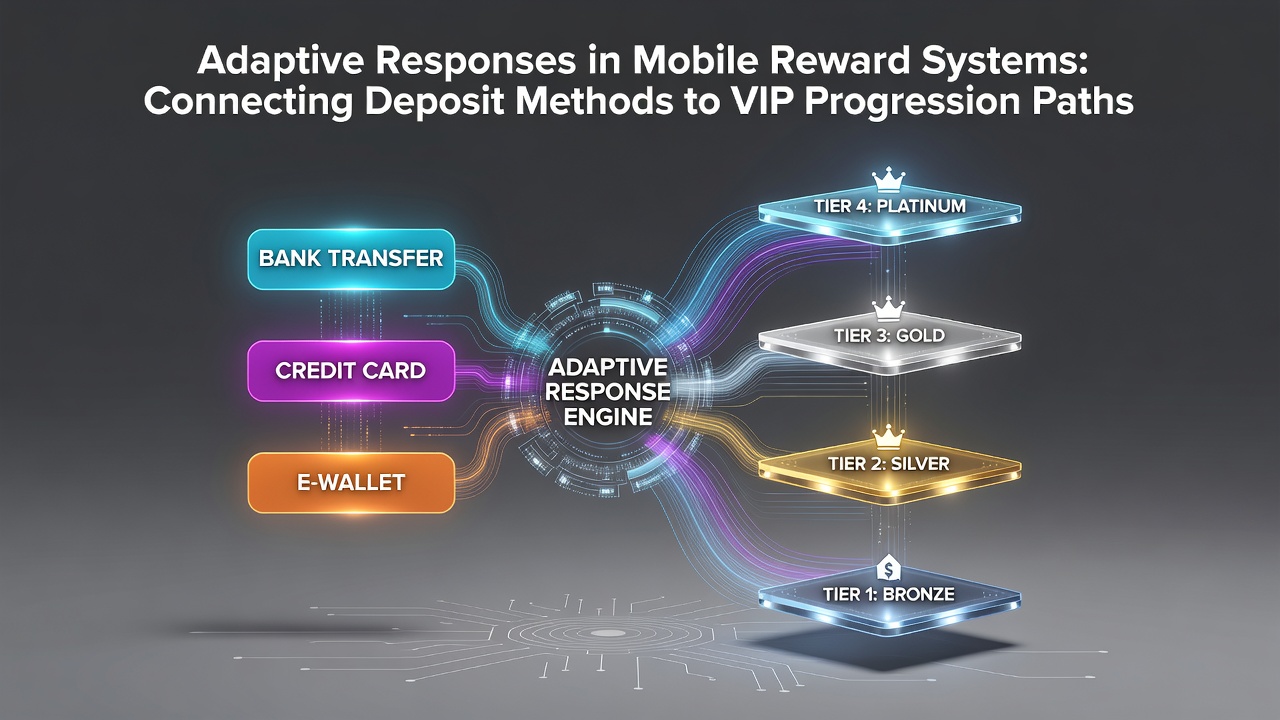
Adaptive responses in mobile reward systems have evolved to link deposit methods directly with VIP progression paths across digital gaming platforms, creating structured pathways where transaction types influence tier advancement and reward allocation. Operators configure these systems to recognize patterns in payment choices, such as credit cards, e-wallets, bank transfers, and cryptocurrencies, then adjust point accrual rates and bonus structures accordingly. Data from platform analytics indicates that players who use certain deposit methods reach higher VIP levels at different rates compared to those relying on traditional options.
Mechanics of Deposit-Linked Adaptation
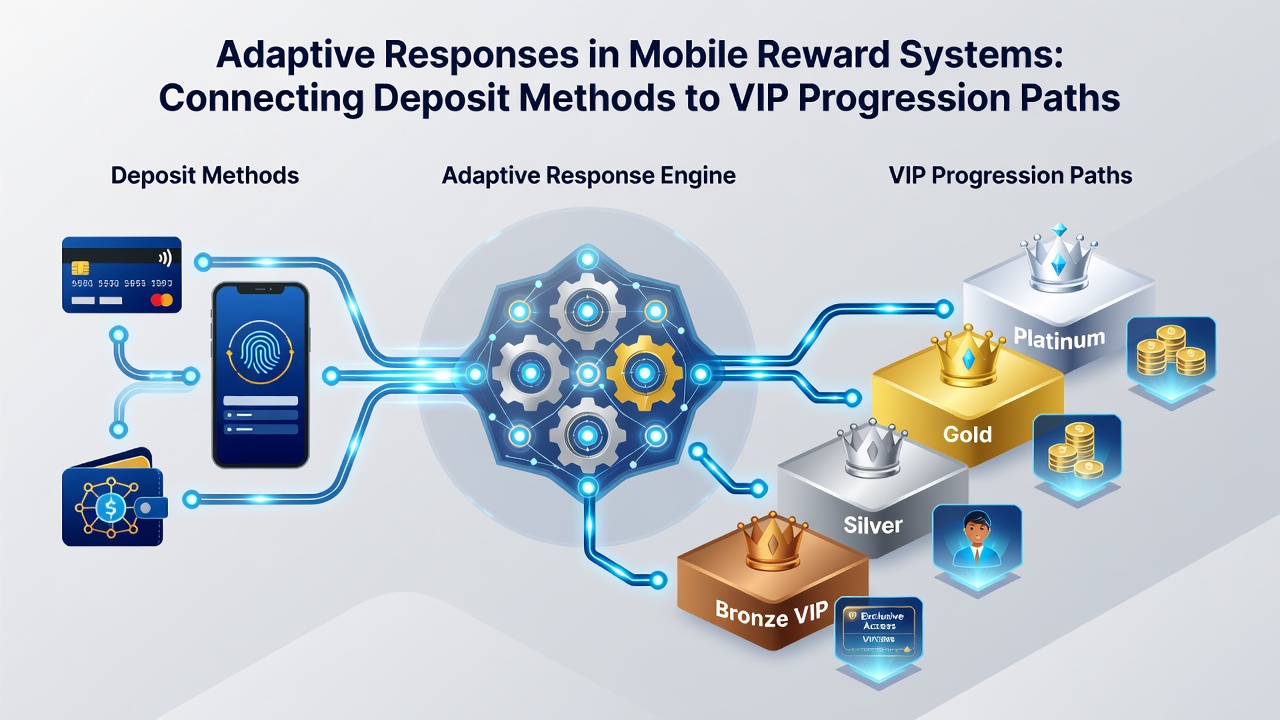
Systems track deposit frequency, amounts, and methods through backend algorithms that feed into real-time reward engines, allowing platforms to modify progression speed based on predefined rules. For instance, cryptocurrency deposits often trigger accelerated point multipliers in multiple configurations because transaction data shows higher average volumes and faster processing times. This setup connects directly to VIP paths where reaching gold or platinum tiers requires cumulative activity thresholds that adapt based on the payment channel used. Observers note that integration occurs through API connections between payment processors and loyalty databases, ensuring seamless updates to player profiles without manual intervention.
Research from industry reports highlights how these connections operate in practice. Figures from the New Jersey Division of Gaming Enforcement reveal that igaming deposits via digital wallets accounted for over 40 percent of mobile transactions in early 2026, correlating with faster VIP tier climbs among those users. The adaptive layer evaluates each deposit against historical benchmarks, then applies tier-specific incentives such as personalized cashback percentages or exclusive event access once progression milestones are met.
VIP Progression Integration Patterns
VIP structures incorporate deposit method data into tier qualification criteria, where certain payments contribute additional weighting toward status upgrades. Platforms maintain separate tracks for different methods, enabling users who favor instant options like e-wallets to accumulate loyalty points at rates that reflect processing efficiency. Those who've studied these ecosystems find that bank transfer users sometimes encounter adjusted thresholds because settlement times extend the verification window before points finalize. This differentiation appears in documented cases from multi-platform operators where progression dashboards display method-specific multipliers alongside standard activity metrics.
One documented approach involves dynamic scaling where deposit size interacts with method type to unlock intermediate rewards that feed into broader VIP benefits. Players advancing through bronze to silver tiers might receive method-matched reload bonuses that stack with base loyalty earnings, creating compound effects on overall progression velocity. Data shows these mechanisms operate continuously, updating player status within minutes of transaction confirmation across mobile interfaces.
Current Trends Observed in Mid-2026
By June 2026, several operators had expanded adaptive features to include region-specific rules that align deposit preferences with local payment regulations, further tying these elements to VIP eligibility. Reports from the Australian Communications and Media Authority indicate mobile wagering volumes grew steadily through the first half of the year, with reward systems increasingly factoring deposit method stability into long-term tier retention calculations. Platforms now deploy A/B testing protocols on these connections, measuring how variations in method-based rewards affect progression completion rates across user segments.
Examples from operational data illustrate the process. A Canadian provincial gaming study tracked users over six months and found that those combining cryptocurrency deposits with consistent mobile activity advanced to elite VIP levels 25 percent quicker on average than peers using card-only methods. Such findings feed back into system refinements, where algorithms recalibrate point values to maintain balanced progression across all deposit categories.
Technical Framework Supporting These Links
Backend architectures rely on modular components that separate payment processing from loyalty engines while maintaining data flows between them. Developers implement rule sets that assign method identifiers to each transaction, then map those identifiers to progression formulas stored in centralized databases. This architecture supports scalability across thousands of concurrent mobile sessions, with real-time synchronization ensuring VIP status reflects the most recent deposit activity. Industry documentation from organizations like the European Gaming and Betting Association describes similar frameworks in use among major software providers serving international markets.
Security protocols wrap these connections, verifying transaction authenticity before any adaptive rewards activate. Encryption standards and compliance checks operate at each stage, preventing unauthorized alterations to progression paths. Those monitoring platform performance report that these safeguards maintain system integrity even during peak usage periods when deposit volumes spike.
Conclusion
Adaptive responses in mobile reward systems continue to refine connections between deposit methods and VIP progression paths through algorithmic adjustments and data-driven thresholds. Evidence from regulatory bodies and operational analyses demonstrates consistent patterns where payment choices influence tier advancement rates and associated benefits. As platforms update these frameworks in response to transaction trends and regional requirements, the linkages between deposits and rewards remain central to how mobile users navigate loyalty structures.