Charting How Aggregator Platforms Reshape Game Selection Dynamics in Portable Live Interaction Formats
Written by Katja Beck · Aug 3, 2026
Charting How Aggregator Platforms Reshape Game Selection Dynamics in Portable Live Interaction Formats
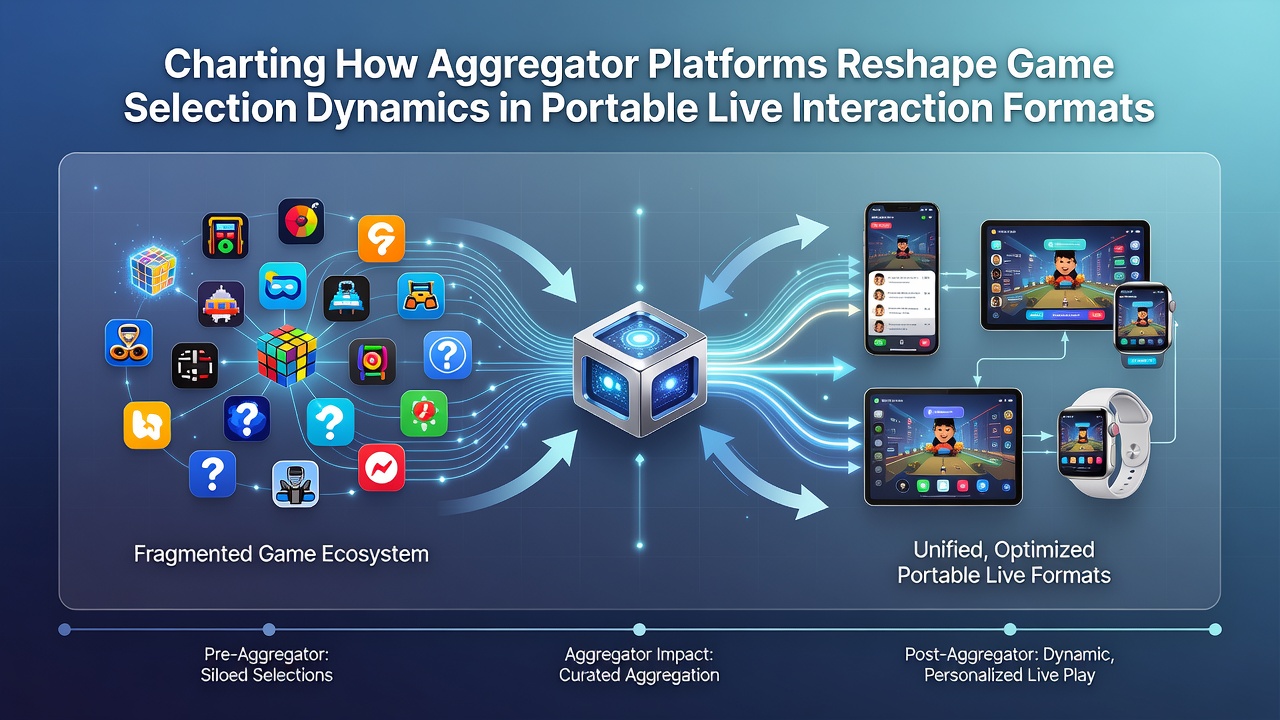
Aggregator platforms serve as central hubs that pull live dealer content from numerous software providers into single mobile applications, and this integration alters how operators curate game libraries for users on smartphones and tablets. Portable live interaction formats rely on real-time video streams of table games such as blackjack, roulette, and baccarat, while aggregators handle the technical connections that allow seamless switching between feeds without requiring separate downloads or logins. Data compiled through mid-2026 indicates that these platforms now supply content to more than 60 percent of licensed mobile gaming operators in regulated markets, according to industry tracking services.
Expansion of Content Libraries Through Aggregation
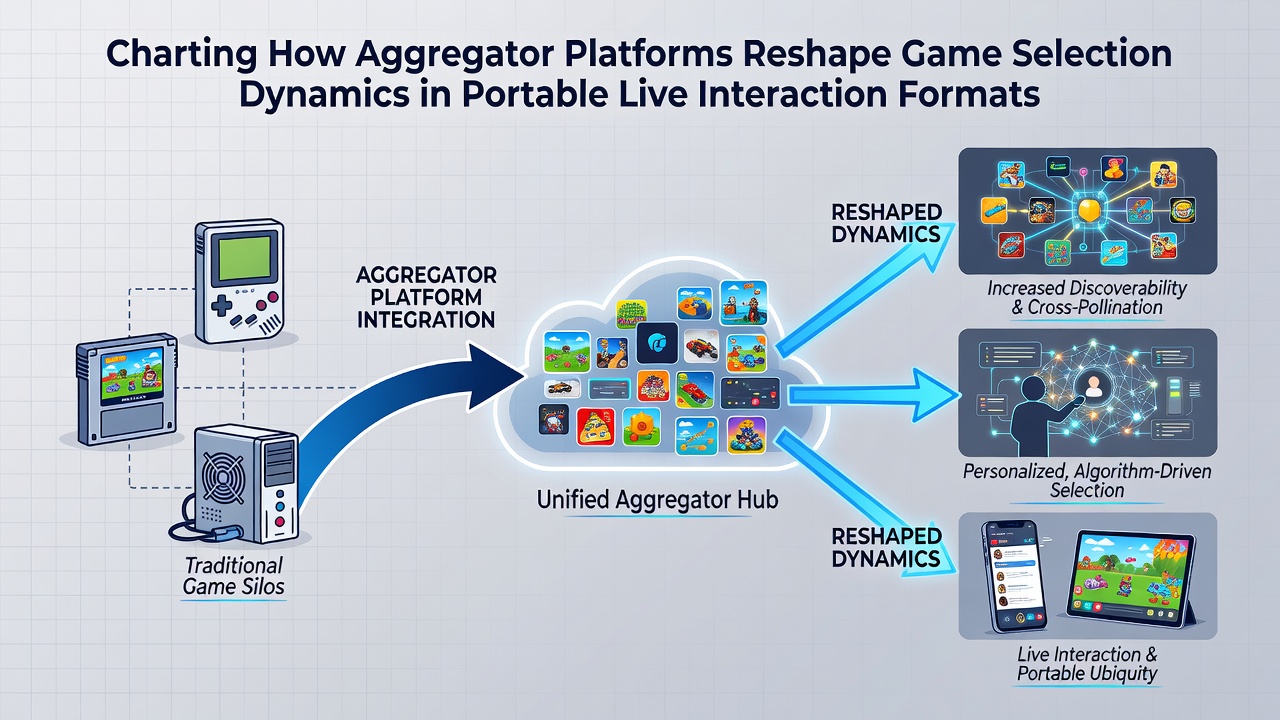
Operators once negotiated individual contracts with each live dealer studio, yet aggregator systems consolidate those relationships into unified feeds that operators activate with one integration. This consolidation expands available titles from a handful per provider to several hundred across dozens of studios, and players gain access to variations that differ by table limits, dealer languages, and side bet options. In August 2026 several major mobile casino applications reported adding over 150 new live tables through aggregator updates, with the largest gains appearing in Asian-language roulette variants and speed blackjack formats. Those who've studied integration logs note that average session times increased when title counts crossed the 200 mark, because users encountered fewer repeats during extended play periods.
Impact on Player Discovery and Selection Patterns
Search and filtering tools built into aggregator dashboards allow users to sort games by provider, stakes, or popularity metrics, and these features shift selection away from default lobby ordering toward more personalized browsing. Mobile data from European and North American operators shows that 42 percent of live game launches now originate from filtered searches rather than homepage recommendations, a reversal from pre-aggregator patterns where featured tables dominated initial choices. Researchers at the University of Nevada's gaming research center documented how recommendation algorithms tied to aggregator APIs surface lesser-known titles at higher rates than standalone studio apps, which in turn distributes play volume more evenly across the full catalog.
Operational Adjustments by Game Providers and Operators
Live dealer studios have responded by standardizing stream formats and metadata tags to meet aggregator requirements, while operators adjust promotional calendars to highlight aggregator-exclusive content during peak mobile hours. This coordination reduces duplication of identical games across multiple providers and frees studio resources for niche offerings such as regional card games or hybrid formats that blend live elements with interactive graphics. Figures released by the New Jersey Division of Gaming Enforcement in the first half of 2026 reveal that mobile live table revenue grew 19 percent year-over-year after operators adopted aggregator feeds, with the increase attributed partly to broader game variety rather than higher bet volumes alone.
Technical Considerations in Mobile Delivery
Latency management remains central because aggregator platforms must route video streams through multiple content delivery networks to maintain synchronization on variable mobile connections. Providers that supply games through these hubs invest in adaptive bitrate encoding so that picture quality adjusts automatically when signal strength drops, and operators monitor connection statistics to prioritize tables with the most stable feeds. Studies conducted by the European Gaming and Betting Association found that average stream interruptions fell by 27 percent in applications using aggregator technology compared with direct studio connections, although the improvement depends on the operator's choice of network partners and device optimization settings.
Regulatory and Compliance Implications
Regulators in multiple jurisdictions now require aggregators to maintain detailed audit trails that link each game session back to its originating studio, and this traceability supports responsible gambling tools that apply uniformly across all aggregated content. Licensing bodies in Australia and several Canadian provinces have updated technical standards to cover aggregator APIs, mandating that player limits and self-exclusion flags propagate correctly regardless of which studio supplies the table. Compliance teams at larger operators report that these unified controls reduce the administrative burden of tracking separate provider certifications, allowing faster deployment of new titles once the aggregator has completed its verification process.
Conclusion
Aggregator platforms continue to expand their role in portable live interaction formats by streamlining access to diverse game libraries, influencing how players discover and select tables, and prompting adjustments in both studio production and regulatory oversight. The patterns observed through 2026 suggest that further consolidation of feeds will shape future mobile offerings, with operators relying on these systems to maintain competitive variety while meeting technical and compliance standards across regions.