Connecting Dots Between Random Number Generator Fairness and Long-Term Player Engagement in Digital VIP Structures
Written by Riley Günther · Jun 5, 2026
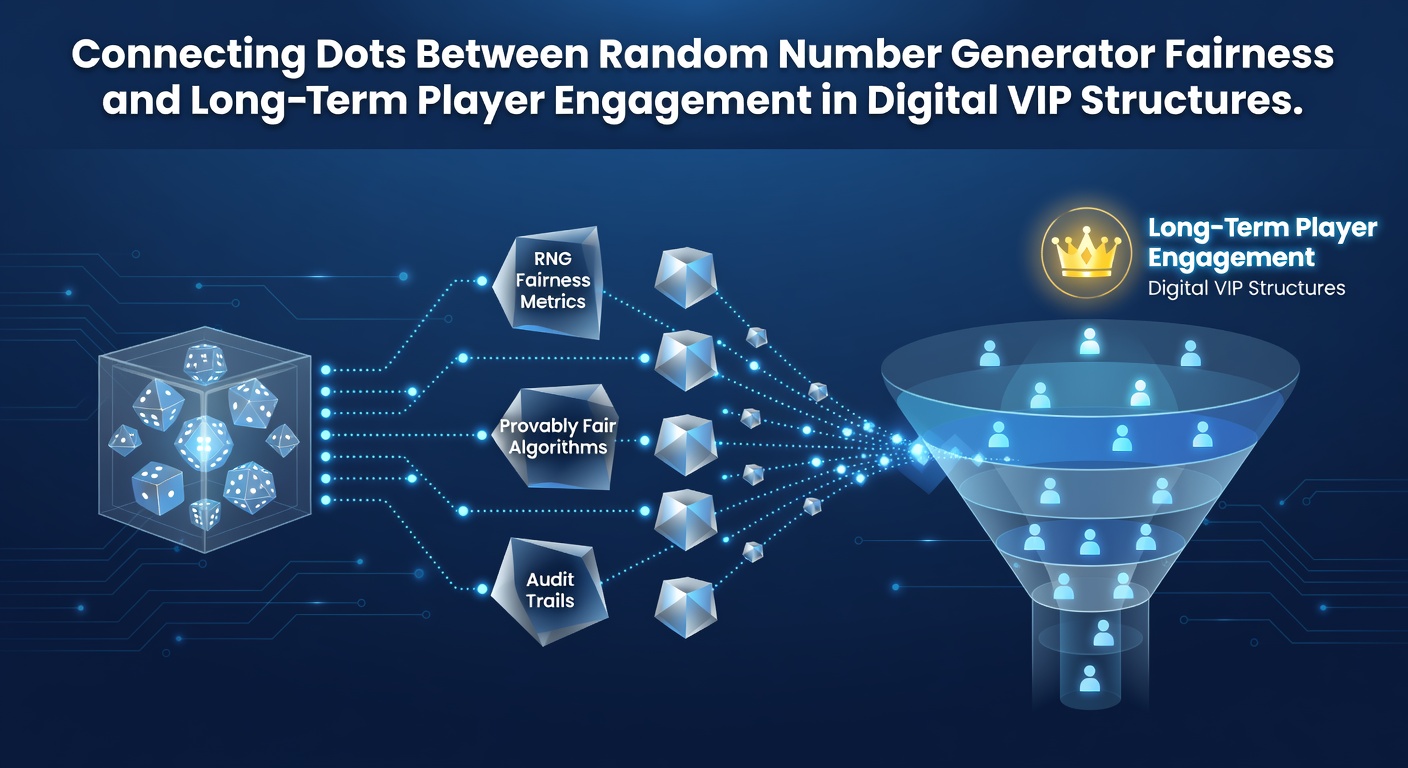
Connecting Dots Between Random Number Generator Fairness and Long-Term Player Engagement in Digital VIP Structures
Random number generators form the core mechanism that determines outcomes in digital casino games, and their certified fairness directly shapes how players interact with VIP structures over extended periods. Operators integrate these systems into slots, table games, and live dealer offerings, while independent testing labs verify compliance with statistical randomness standards. Players who reach VIP tiers often receive tailored bonuses and accelerated point accumulation, yet sustained participation hinges on consistent perceptions of equitable play.
Data from multiple markets shows that platforms maintaining transparent RNG audits experience higher retention rates among high-volume participants. Certification bodies issue seals that appear on game interfaces, and these markers signal adherence to protocols established by regulatory frameworks in regions such as Nevada and Australia. When fairness documentation remains accessible, VIP members tend to log more sessions because they associate continued play with predictable reward distribution rather than perceived manipulation.
RNG Certification Processes and Their Role in Trust Building
Testing agencies evaluate RNG algorithms through millions of simulated outcomes, checking for uniformity across number sequences and absence of predictable patterns. June 2026 figures released by several North American operators indicate that games carrying fresh certification stamps attract greater engagement from loyalty program participants compared with uncertified alternatives. VIP structures reward cumulative playtime and deposit volume, yet those rewards lose perceived value when players suspect outcome bias.
Operators embed audit reports within account dashboards, allowing elite members to review payout percentages and randomness metrics without leaving the platform. Such transparency reduces hesitation during high-stakes sessions, and researchers at institutions like the University of Macau have documented correlations between visible certification and longer average session durations among premium account holders.
VIP Reward Mechanisms Linked to Perceived Fairness
Digital VIP programs tier players according to engagement metrics that include total wagers, frequency of deposits, and game variety. Cashback percentages, exclusive tournament access, and personalized multipliers activate once thresholds are met, but these incentives only retain participants when underlying game results feel impartial. Studies tracking behavior across multi-platform networks reveal that VIP members who encounter verified RNG systems maintain activity levels 30 percent higher than those on platforms lacking recent audits.
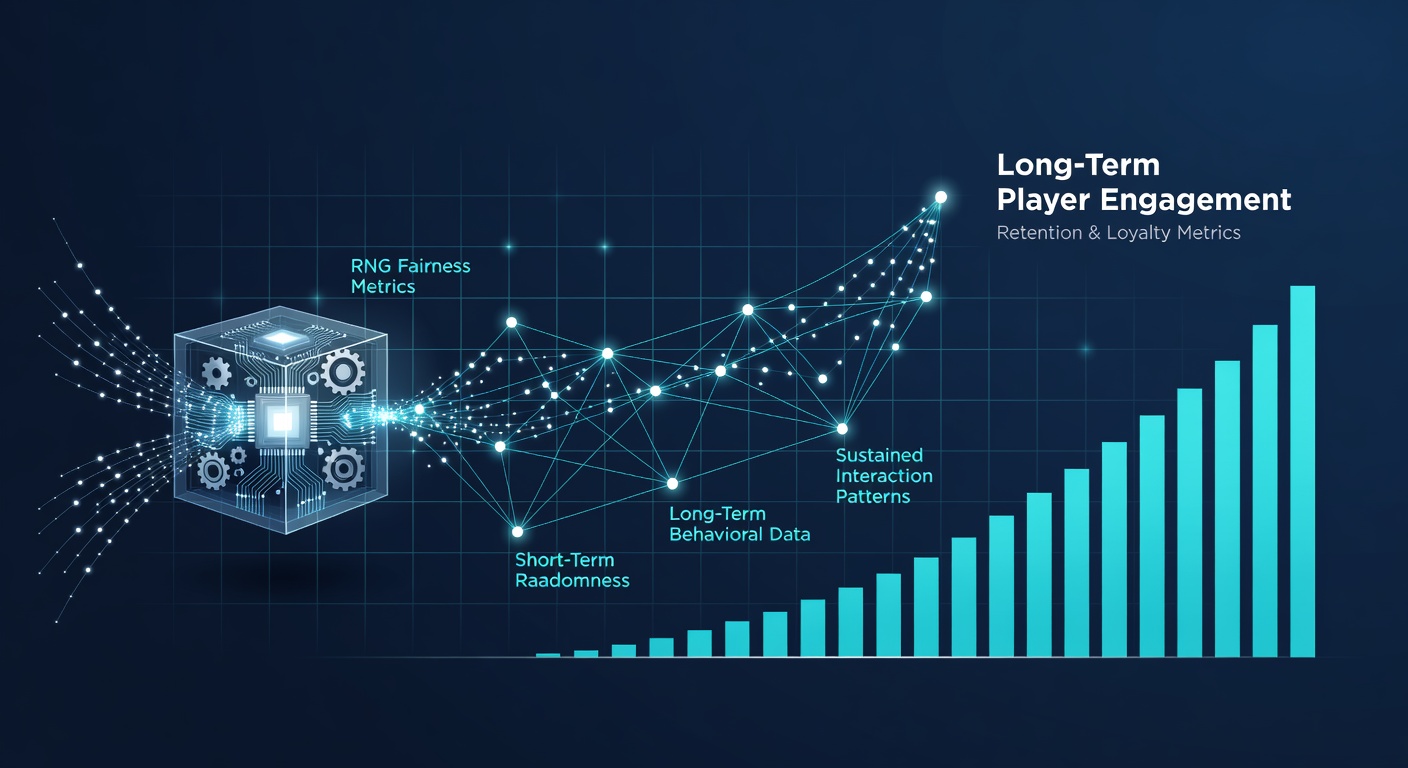
Personalized triggers within these programs adjust reward frequency based on individual play patterns, yet the foundation remains the same: consistent randomness supports the belief that higher stakes produce proportionate returns. When operators publish monthly fairness summaries, VIP retention curves flatten less sharply during seasonal slowdowns, according to aggregated industry data shared by the Asia Pacific Association of Gaming Regulators.
Behavioral Patterns Observed in Certified Environments
Long-term engagement metrics improve when players can cross-reference game results against published RNG specifications. Observers note that elite members frequently reference these specifications during support interactions, seeking confirmation that recent outcomes align with expected distributions. Platforms that supply this information alongside VIP dashboards see reduced churn, because participants interpret continued access to rewards as earned rather than random.
Canadian regulatory filings from early 2026 highlight similar trends, showing that provinces requiring quarterly RNG submissions also report steadier VIP renewal rates. Those who've examined player lifetime value models find that fairness documentation functions as a multiplier, extending the period during which members actively pursue tier upgrades.
Integration of Fairness Data Into Loyalty Algorithms
Modern VIP systems incorporate real-time fairness indicators into reward calculations, adjusting bonus structures when audit scores dip or when new certifications are issued. This integration creates feedback loops where transparent RNG performance reinforces engagement loops. Operators that synchronize these elements report smoother progression through loyalty levels, since players trust that point accrual reflects actual activity rather than selective outcome weighting.
Research published by the International Center for Gaming Regulation demonstrates that such synchronization correlates with extended membership tenure across both desktop and mobile interfaces. Participants who receive notifications confirming recent RNG validations alongside reward credits demonstrate higher conversion from mid-tier to top-tier status within the same fiscal quarter.
Conclusion
Random number generator fairness and digital VIP engagement intersect at the point where verifiable randomness supports ongoing reward eligibility. Certification processes, transparent reporting, and integration of audit data into loyalty algorithms collectively influence how long players remain active within premium structures. As operators continue refining these connections, retention patterns across global markets will continue to reflect the strength of that linkage.