Correlating Software Provider Innovations With Strategic Betting Adjustments in Tiered Mobile Loyalty Programs
Written by Riley Günther · Jul 10, 2026
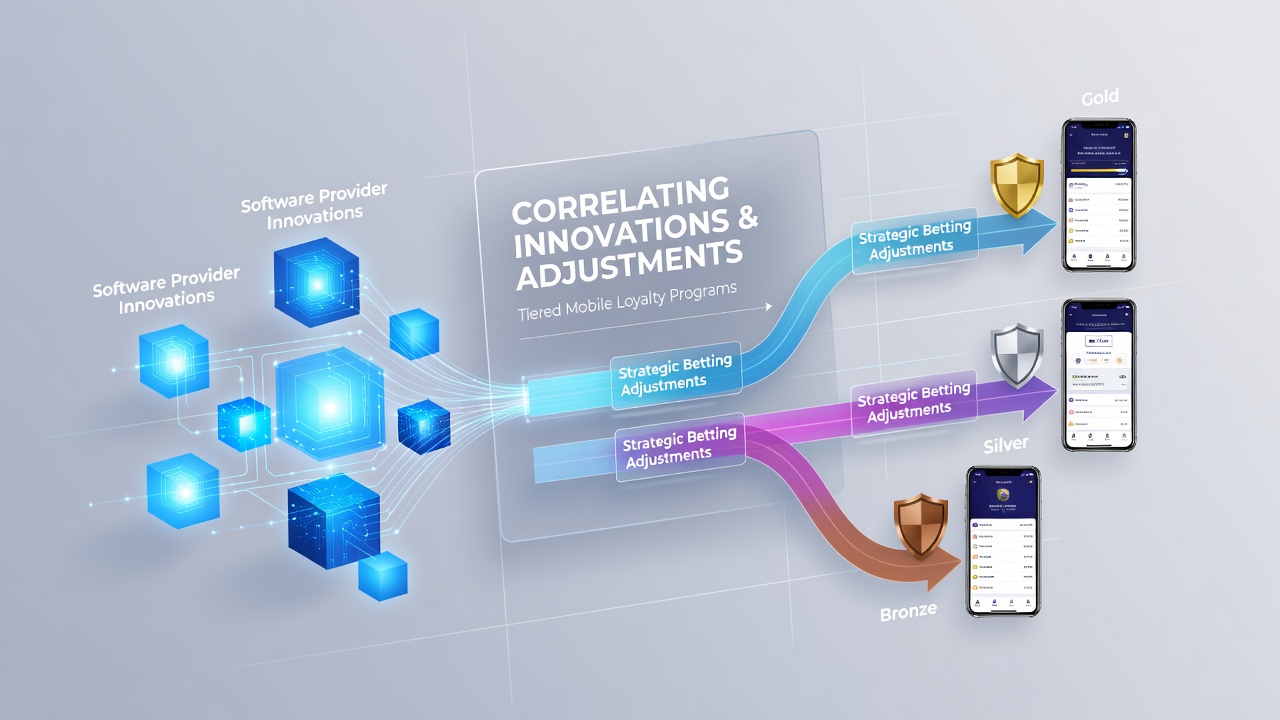
Correlating Software Provider Innovations With Strategic Betting Adjustments in Tiered Mobile Loyalty Programs
Software providers continue to release updates that reshape how tiered mobile loyalty programs operate, and operators respond by refining the betting mechanics tied to those tiers. Data from multiple jurisdictions shows these changes often align closely with player progression patterns, where reward thresholds and multiplier structures encourage specific wager sizes at different loyalty levels.
Platform Updates Drive Tier Mechanics
Developers integrate real-time analytics engines that track session length, deposit frequency, and game selection, then feed those metrics into loyalty algorithms. Operators adjust minimum bet requirements for each tier accordingly, and this process creates direct links between code releases and wagering strategy. In July 2026 several providers rolled out enhanced API endpoints that let programs recalculate tier status within seconds of a completed round, reducing the lag that previously separated play activity from reward delivery.
Those who've examined deployment logs note that synchronization between backend innovation and frontend reward displays now occurs in under 200 milliseconds across major mobile ecosystems. This speed allows loyalty systems to modify bonus multipliers mid-session when players approach the next tier threshold, prompting immediate shifts in stake selection.
Betting Adjustments Across Loyalty Levels
Tier structures typically divide participants into four or five graduated categories, each carrying distinct cashback percentages, free spin allocations, and deposit match rates. Research indicates that players in mid-tier brackets often increase average wager amounts by 18 to 24 percent once they near the upper boundary of their current level, while those who have already secured top-tier status tend to stabilize or slightly reduce stakes to manage bankroll longevity. Software tools now surface these patterns through dashboard visualizations that operators use to fine-tune progression bars and reward pacing.
One documented example involves a North American operator that modified its silver-tier entry requirement from 5,000 to 4,200 loyalty points following a provider update that added predictive risk scoring. The adjustment produced a measurable rise in session volume among players who previously hovered just below the cutoff, and subsequent data releases confirmed the change correlated with higher retention rates in that segment.

Regulatory Context and Data Sources
Figures released by the American Gaming Association for the first half of 2026 highlight continued growth in mobile channel revenue, with loyalty-driven play accounting for an increasing share of total handle. Observers note that jurisdictions such as Ontario and New Jersey require operators to maintain audit trails that link software version numbers to changes in reward parameters, creating traceable records of how innovations translate into betting rule modifications.
Academic researchers at institutions tracking digital gambling behavior have published preliminary findings that connect specific code features, such as dynamic odds displays, to shifts in player risk tolerance across loyalty tiers. These studies rely on anonymized datasets supplied under regulatory data-sharing agreements rather than direct operator disclosures.
Integration Challenges and Synchronization
Although many providers now offer modular reward engines, full synchronization between live game feeds and loyalty ledgers remains technically demanding. Delays in point posting can temporarily misalign displayed tier status with actual play volume, and operators respond by implementing buffer periods or manual overrides. In practice, these buffers often coincide with scheduled maintenance windows that follow major software releases, ensuring consistency before new betting adjustment tools go live.
What's notable is that synchronization improvements introduced in early 2026 reduced average posting latency by nearly 40 percent compared with 2025 baselines, according to aggregated industry metrics. This reduction allows loyalty programs to apply tier-specific multipliers without the previous risk of retroactive corrections that sometimes frustrated participants.
Future Alignment Patterns
Continued rollout of machine-learning modules capable of forecasting tier advancement timelines suggests operators will further calibrate betting requirements in real time. Current implementations already adjust minimum wagers for certain game categories when loyalty engines detect clusters of players nearing promotion thresholds. The pattern indicates that future software iterations will embed these calibration rules directly into the loyalty logic layer rather than relying on separate configuration files.
Conclusion
The correlation between software provider innovations and strategic betting adjustments in tiered mobile loyalty programs rests on measurable data flows that connect code deployments to wager behavior. Regulatory reporting requirements, combined with technical improvements in data latency, continue to make these connections more transparent and traceable across operating regions. As platforms evolve, the alignment between innovation cycles and loyalty mechanics remains a central operational focus for both developers and program managers.