Decoding the Interplay of Behavioral Data Patterns and Customized Reward Triggers Across Smartphone Wagering Ecosystems
Written by Greta Albrecht · May 22, 2026
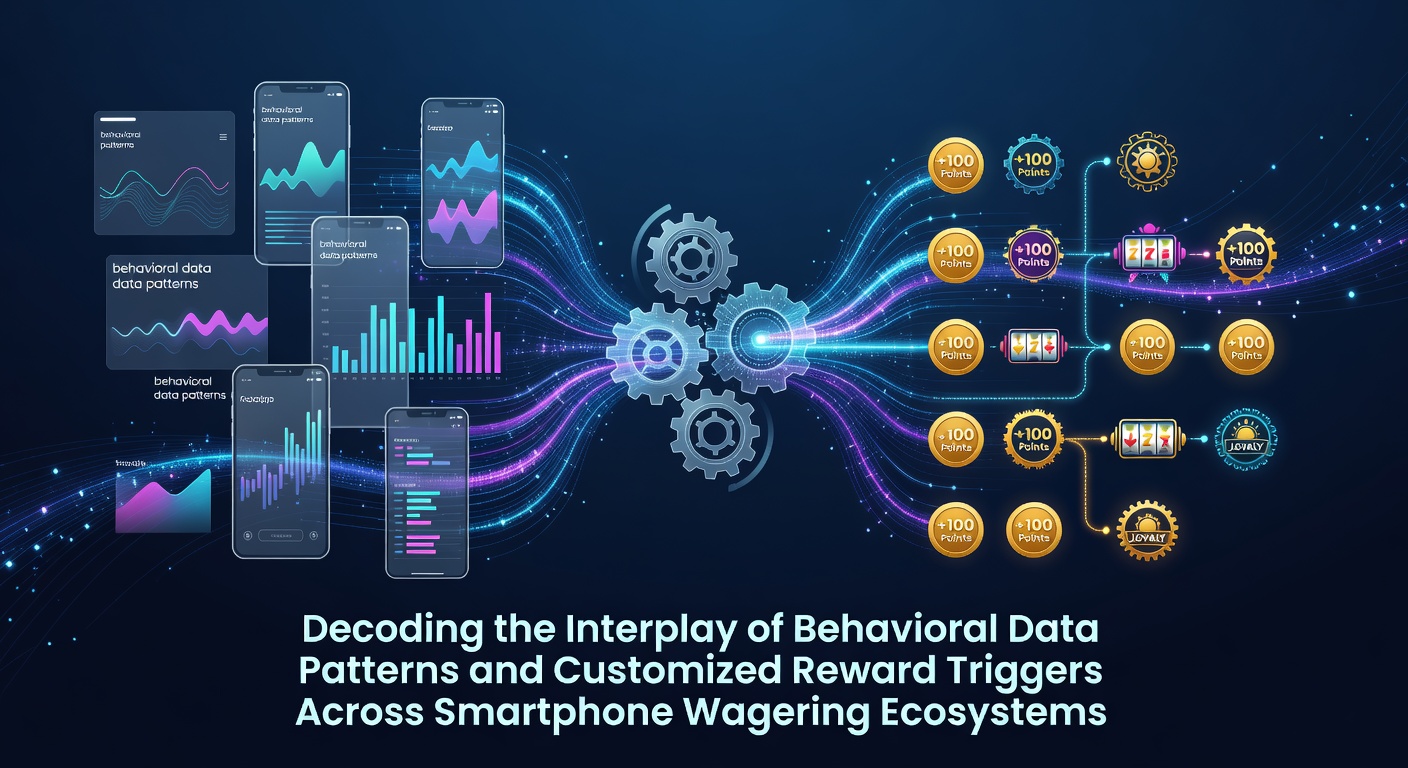
Decoding the Interplay of Behavioral Data Patterns and Customized Reward Triggers Across Smartphone Wagering Ecosystems
Smartphone wagering platforms collect vast streams of user interaction data that operators process to identify behavioral patterns and deploy tailored reward mechanisms, and this process has accelerated as mobile gaming volumes expanded through the first half of 2026. Analysts track session duration, betting frequency, deposit timing, and navigation paths within apps, then feed those metrics into algorithms that generate individualized incentives such as free spins, deposit matches, or cashback offers. Observers note that the combination of real-time data collection and automated reward delivery creates feedback loops where user actions directly influence the next set of prompts presented on screen.
Behavioral Data Collection Methods in Mobile Wagering
Developers embed tracking tools that log every tap, swipe, and pause within wagering applications, and these tools operate continuously while users remain logged in. Research from academic groups and industry reports shows that operators aggregate location signals, device identifiers, and time-of-day preferences to build profiles that update with each new interaction. In May 2026 several major platforms reported processing billions of individual data points daily, with the resulting datasets segmented into clusters that highlight risk tolerance levels and preferred game types. Regulators in jurisdictions such as those overseen by the Alcohol and Gaming Commission of Ontario require operators to document how they store and protect these profiles, yet the technical architecture behind pattern detection remains largely proprietary.
Patterns emerge when algorithms compare current sessions against historical records for the same account, and sudden shifts in stake size or game selection often trigger automated flags. Those flags prompt the system to test different reward offers in subsequent logins, measuring whether the incentive increases engagement metrics like total wagers placed or average session length. Experts tracking these systems point out that the process mirrors techniques used in other consumer apps, except that wagering platforms must also comply with responsible gaming mandates that limit certain promotional tactics.
Mechanics of Customized Reward Triggers
Reward engines evaluate incoming data against predefined rules and machine-learning models that predict which offer will produce the highest response rate for a given profile. A player who typically deposits small amounts on weekday evenings might receive a targeted bonus that activates only during those hours, while another user showing longer but less frequent sessions could see loyalty points multiplied on specific titles. These triggers execute within milliseconds of a qualifying action, delivering notifications that appear as push messages or in-app banners.
Operators refine the models by running controlled experiments that hold some users in control groups while others receive variant offers, and the outcomes feed back into the central system. Data released by North American gaming associations indicates that conversion rates for these personalized incentives can exceed those of generic promotions by substantial margins, though exact figures vary by market and regulatory environment. The triggers also incorporate loss-mitigation elements, such as time-limited deposit matches that encourage continued play after a losing streak, balanced against mandatory responsible gaming pauses.
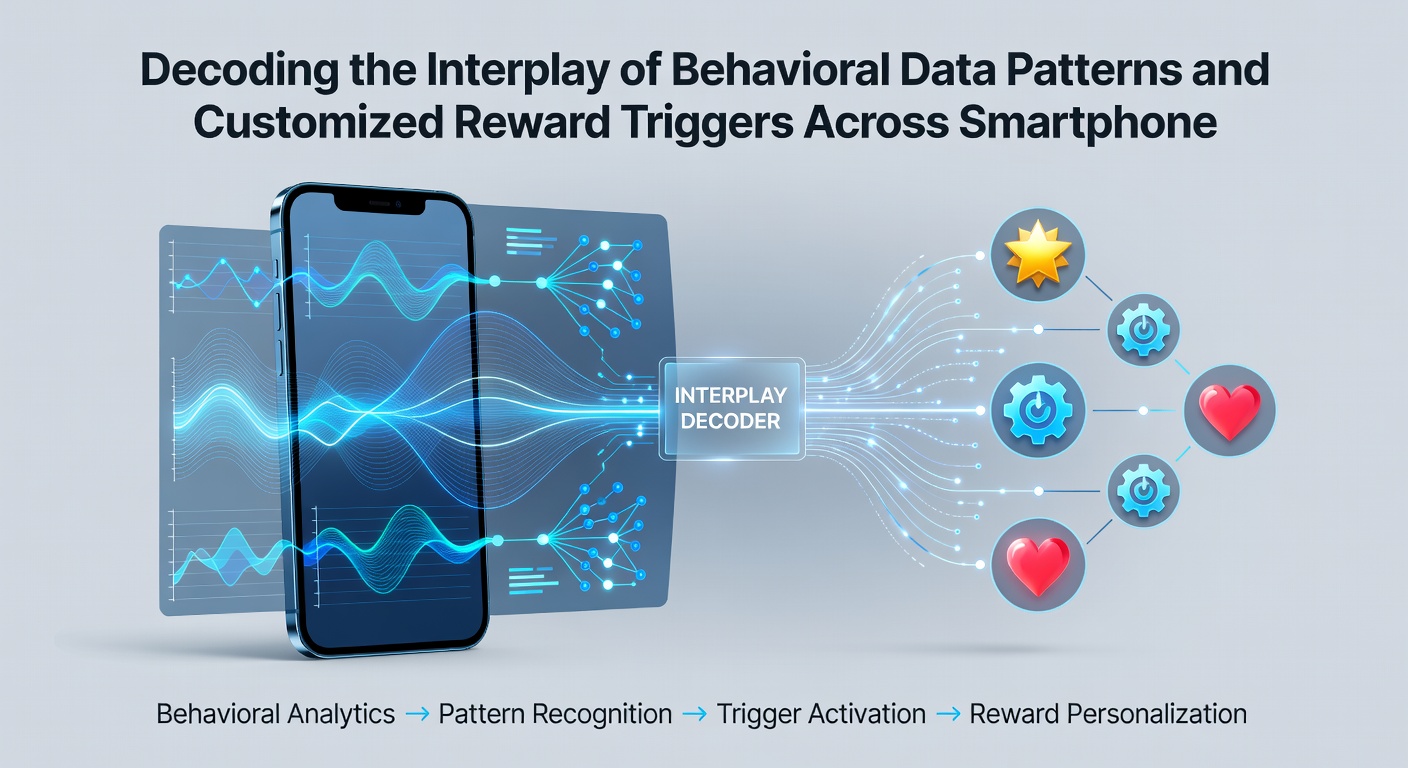
Interplay Between Patterns and Triggers Across Ecosystems
The feedback loop tightens when behavioral clusters inform reward design and the resulting user responses update the clusters in near real time. Platforms operating across multiple jurisdictions must reconcile differing legal requirements for data handling and promotional content, which leads some operators to maintain separate rule sets for each region while sharing core analytical infrastructure. In practice, a pattern detected in one market can influence trigger logic deployed elsewhere, provided local compliance checks pass.
Stakeholders in the supply chain, from software providers to payment processors, contribute additional data layers that enrich the profiles. Payment velocity and preferred funding methods become variables within the models, allowing rewards to be calibrated to the financial behaviors already observed. Reports compiled by research institutions such as the National Council on Problem Gambling highlight how these integrated datasets enable more granular segmentation than was feasible with earlier desktop-focused systems.
Regulatory and Technical Considerations in 2026
Authorities monitoring smartphone wagering have issued updated guidance in several regions emphasizing transparency around automated decision-making. Platforms must now surface basic explanations when users inquire why they received a particular offer, and some jurisdictions require periodic audits of the algorithms that select rewards. As of May 2026, European and Australian regulatory bodies continue to refine standards for cross-border data flows, prompting operators to implement additional consent mechanisms within their mobile apps.
Technical teams address latency challenges by shifting more processing to edge servers located near major user bases, and this architecture supports the rapid delivery of customized prompts without draining device resources. Security protocols encrypt behavioral profiles both in transit and at rest, yet the volume of data collected still raises questions among privacy advocates about long-term retention practices.
Conclusion
The interplay of behavioral data patterns and customized reward triggers continues to shape how smartphone wagering platforms operate, and ongoing developments in analytics tools suggest further refinement ahead. Regulatory frameworks evolve alongside these technologies, requiring operators to balance engagement objectives with compliance obligations. Observers tracking the sector note that the same mechanisms driving personalization also generate detailed records that can support both commercial optimization and responsible gaming interventions when properly governed.