Delving into How Game Software Choices Shape No-Deposit Incentive Structures Across Portable Platforms
Written by Katja Beck · Aug 24, 2026
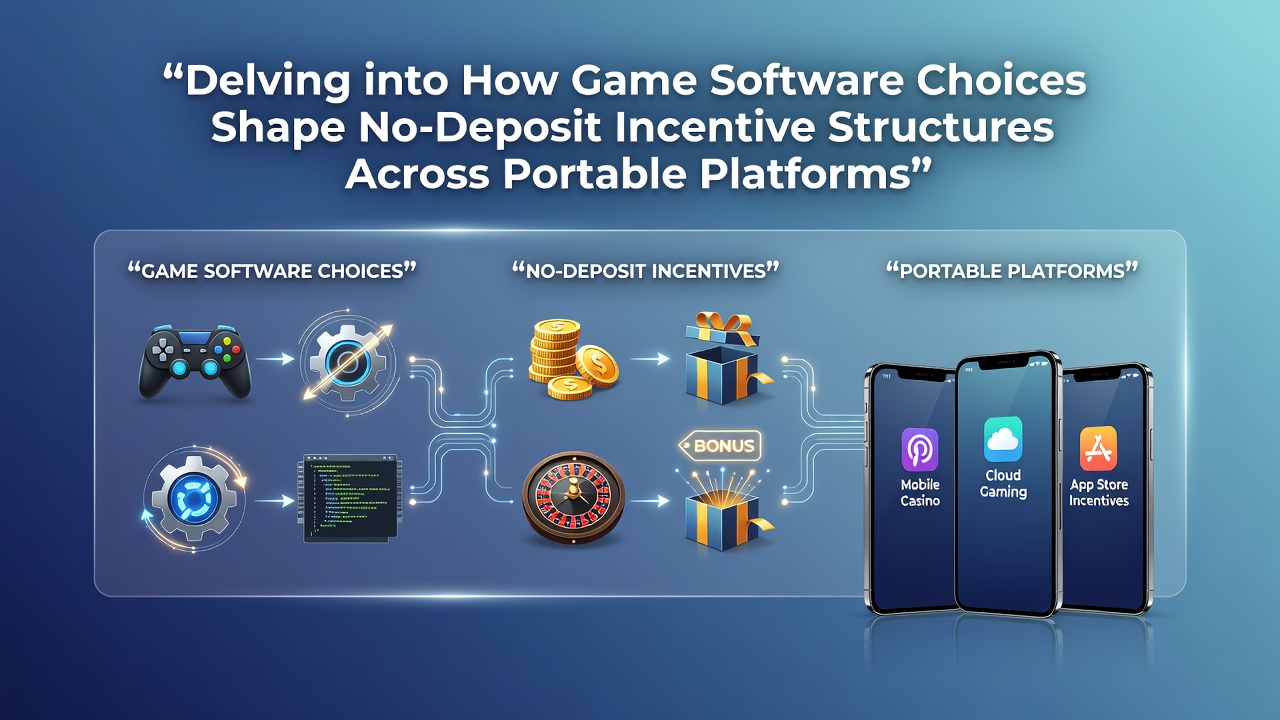
Delving into How Game Software Choices Shape No-Deposit Incentive Structures Across Portable Platforms
Game software providers determine the technical foundation for no-deposit incentives on mobile devices through their integration capabilities, random number generator implementations, and platform-specific optimizations that dictate how bonuses activate and function across iOS and Android environments. Developers select engines from companies such as Microgaming, NetEnt, and Playtech because these systems support seamless API connections that allow operators to configure free spin or cash credit rewards without requiring initial deposits while maintaining compliance standards set by regional regulators.
Software Architecture and Bonus Activation Mechanics
Portable platforms rely on software frameworks that handle device detection, session tracking, and reward distribution in real time, so choices made during development directly influence whether a no-deposit offer appears instantly upon app launch or requires additional verification steps. Observers note that providers favoring lightweight HTML5 codebases enable faster bonus crediting on lower-powered smartphones, whereas heavier native applications built around proprietary engines often incorporate extra security layers that delay incentive delivery but reduce fraud rates according to industry reports from the American Gaming Association.
Data from multiple jurisdictions shows that software suites with advanced geolocation modules permit operators to tailor no-deposit structures to specific markets, such as limiting bonus eligibility to users in regulated states where mobile wagering operates under strict licensing rules. In August 2026 several North American operators updated their mobile applications to incorporate newer versions of these modules, resulting in revised incentive parameters that tied free credit amounts to verified player locations and device types.
Impact of RNG Fairness on Incentive Longevity
Random number generator quality varies across software vendors, and those variations affect how long no-deposit bonuses remain sustainable for operators because higher certified fairness standards require more conservative payout modeling. Research from academic institutions including the University of Nevada's International Gaming Institute indicates that platforms using certified RNGs from established suppliers experience lower variance in bonus redemption patterns, which in turn allows providers to offer larger initial free amounts without adjusting overall return-to-player percentages.
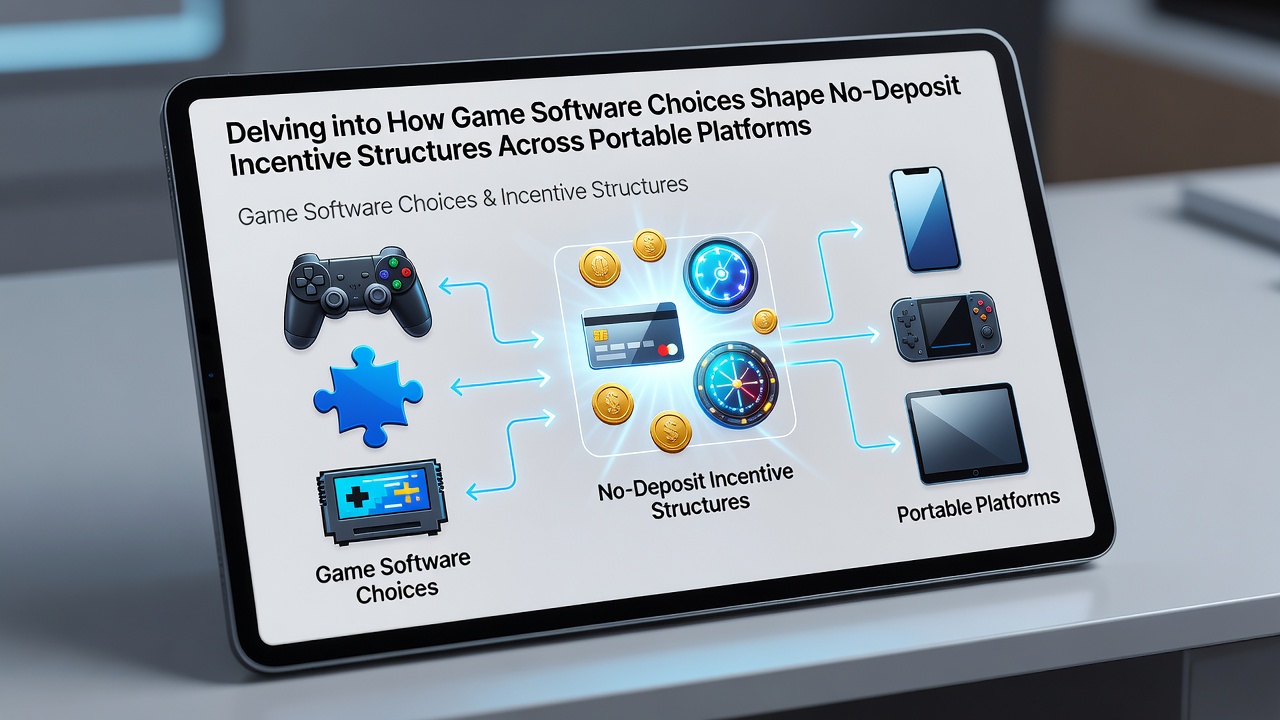
Those who manage mobile gaming operations frequently adjust incentive structures when switching software providers because new engines introduce different data reporting formats and bonus tracking tools that change how operators calculate player value over multiple sessions. One documented shift occurred when several operators migrated from older flash-based systems to current HTML5 frameworks, and the transition permitted more granular control over no-deposit reward expiration timers and game eligibility lists.
Cross-Platform Synchronization and Reward Delivery
Synchronization between backend servers and mobile front-end applications determines whether a no-deposit incentive applied on one device remains available when a player switches to another device mid-session. Software choices that prioritize cloud-based account management reduce friction in this process, while localized server solutions sometimes create temporary mismatches that force operators to limit bonus portability across smartphones and tablets. Figures released in mid-2026 revealed that operators using unified cloud architectures reported higher completion rates for no-deposit bonus wagering requirements compared with those relying on fragmented systems.
Examples from the Canadian market illustrate how software selection influences incentive design because provincial regulations require specific audit trails that certain providers build directly into their mobile SDKs. Operators adopting these integrated tools can issue no-deposit credits that automatically comply with spending caps and time limits without additional custom coding, whereas other platforms demand extra development time before similar features become available.
Regional Regulatory Influences on Software-Driven Incentives
Regulatory bodies across different regions impose varying technical requirements that software vendors must meet before their products support no-deposit structures on portable devices. In jurisdictions where real-money mobile gaming has expanded recently, vendors have released updated toolkits that embed compliance checks directly into the bonus activation flow, reducing the administrative burden on operators. These adaptations appear most frequently in markets that updated licensing frameworks during 2025 and 2026.
Operators evaluate software options by testing how each engine handles concurrent bonus claims from large numbers of mobile users, since scalability issues can lead to delayed reward distribution or temporary service interruptions. Data compiled from multiple testing laboratories shows measurable differences in transaction throughput between competing software packages, and those differences translate into distinct incentive structures offered to end users.
Conclusion
Software selection continues to serve as the primary driver behind the form and function of no-deposit incentives on mobile platforms, with technical capabilities around RNG certification, device optimization, and regulatory compliance shaping what operators can realistically offer. As new software versions reach the market in late 2026, further adjustments to incentive parameters are expected wherever portable wagering remains active under existing licensing regimes.