exploreonlinecasino.com

8 Jun 2026

Exploring Intersections Between Transaction Flexibility and Adaptive Play Tactics in Tiered Mobile Reward Ecosystems

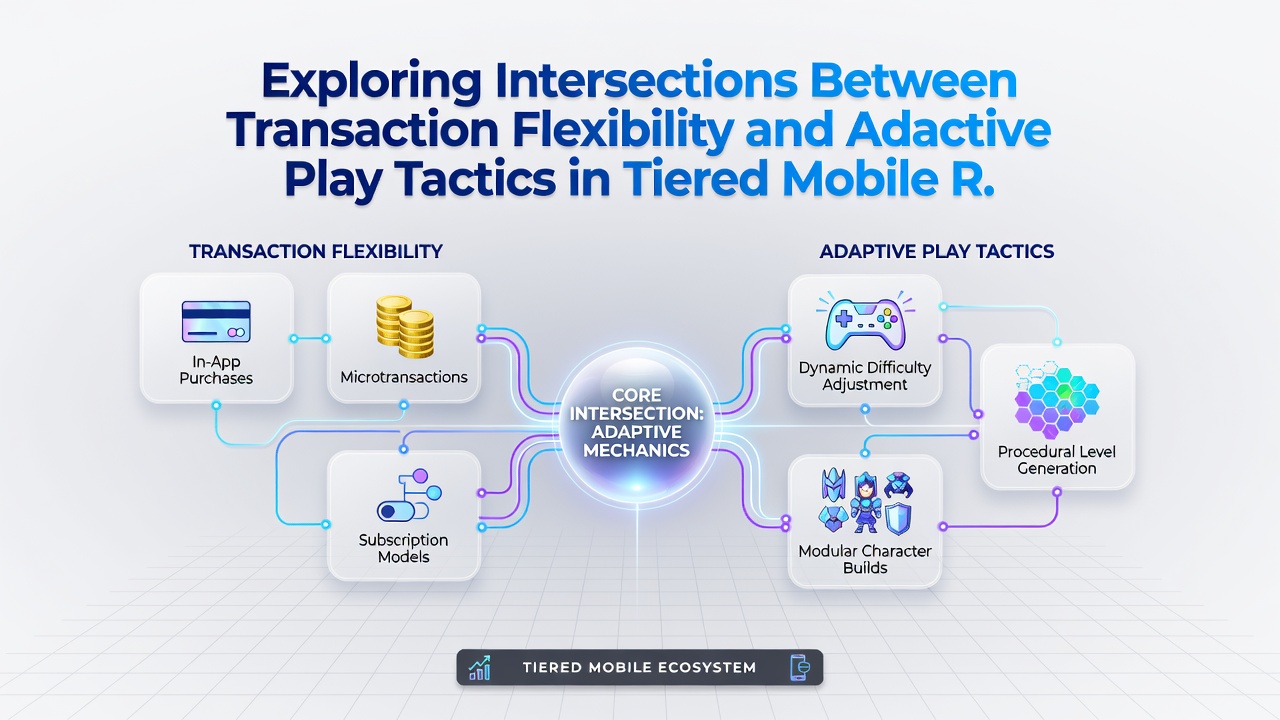
Mobile app interface displaying tiered reward levels with flexible transaction options and adaptive gameplay elements Mobile reward ecosystems in gaming applications operate through structured tier systems that adjust benefits according to player activity levels, and transaction flexibility plays a central role in how participants modify their approaches within those tiers. Systems track deposits, withdrawals, and in-app purchases across multiple payment methods while algorithms respond to spending patterns by unlocking higher rewards or adjusting play parameters in real time. Observers note that transaction options such as instant bank transfers, digital wallets, and cryptocurrency channels allow users to maintain continuity during extended sessions without interrupting momentum. Data from industry reports indicate that platforms supporting multiple funding sources recorded higher retention rates in mid-tier segments during the first half of 2026.

Core Components of Tiered Structures

Tiered mobile reward programs categorize participants into levels based on cumulative activity metrics including total wagers, session frequency, and reward redemptions. Entry-level tiers typically offer basic cashback percentages and limited bonus multipliers while premium tiers unlock expedited withdrawals and personalized game recommendations. Adaptive play tactics emerge when users adjust bet sizes, game selections, and timing of transactions to optimize progression through these levels. Research indicates that players who vary deposit amounts in response to tier thresholds achieve faster advancement than those following fixed routines. What's interesting here is how flexibility in transaction processing intersects with these tactics because immediate confirmation of funds enables rapid shifts between low-stakes and high-stakes games without waiting periods that might disrupt strategy flow.

Transaction Flexibility Mechanisms

Platforms integrate APIs from payment processors to support seamless movement of funds across borders and currencies while complying with regional licensing requirements. In June 2026 several operators expanded support for real-time settlement options following updates to processing standards in multiple jurisdictions. This expansion permitted users to execute micro-transactions during live sessions and larger transfers between tiers without triggering additional verification delays. Studies from academic sources show that reduced friction in fund movement correlates with increased experimentation in game choice and stake adjustment. One study revealed that participants utilizing instant deposit features maintained consistent progression rates across tiers even when external factors altered typical play schedules. Analytics dashboard showing player transaction patterns and adaptive strategy adjustments within mobile reward tiers
Adaptive Tactics in Practice

Players employ several documented approaches to leverage transaction flexibility within tiered systems. Some monitor pending reward thresholds and time deposits to coincide with bonus activation windows while others distribute smaller transfers across multiple sessions to avoid triggering automated risk flags that could temporarily restrict account features. Those who've studied engagement patterns report that adaptive users often switch between games with different volatility profiles immediately after completing a qualifying transaction because fresh funds reset certain session-based multipliers. The reality is that mobile interfaces now display real-time tier progress alongside available payment methods which encourages tactical decisions during active play rather than between sessions.

Integration Points and Data Patterns

Algorithms governing reward ecosystems analyze transaction velocity alongside play behavior to predict and facilitate adaptive moves. When a user increases deposit frequency after reaching a new tier the system may adjust available game libraries or offer targeted incentives that align with emerging patterns. According to findings from the National Council on Problem Gambling, such integrations have prompted operators to implement clearer disclosure tools that inform participants about how transaction data influences reward calculations. But here's the thing: synchronization between payment gateways and game servers must occur within milliseconds for these adaptive loops to function smoothly across different device types and network conditions.

Regional Developments and Standards

Regulatory frameworks in various markets continue to shape the extent of transaction flexibility available in mobile ecosystems. The Casino Regulatory Authority of Singapore updated guidelines in early 2026 regarding cross-border payment verification which affected how certain tiered programs handled international users. Meanwhile the Australian Communications and Media Authority published usage statistics showing steady growth in mobile reward participation among tiered account holders through mid-2026. These updates created new opportunities for operators to refine adaptive features while maintaining compliance across jurisdictions.

Conclusion

Transaction flexibility and adaptive play tactics intersect within tiered mobile reward ecosystems through continuous feedback loops that link funding actions directly to gameplay adjustments and progression mechanics. Current implementations demonstrate measurable impacts on retention metrics and session dynamics across multiple platforms. As processing technologies advance and regulatory environments evolve the connections between these elements will likely expand in scope while remaining grounded in observable data patterns and operational standards.