Invitation-Only High Roller Lounges: Peering into Virtual Casino Exclusivity
Written by Katja Beck · Apr 15, 2026
Invitation-Only High Roller Lounges: Peering into Virtual Casino Exclusivity
The Rise of Exclusive Virtual Spaces
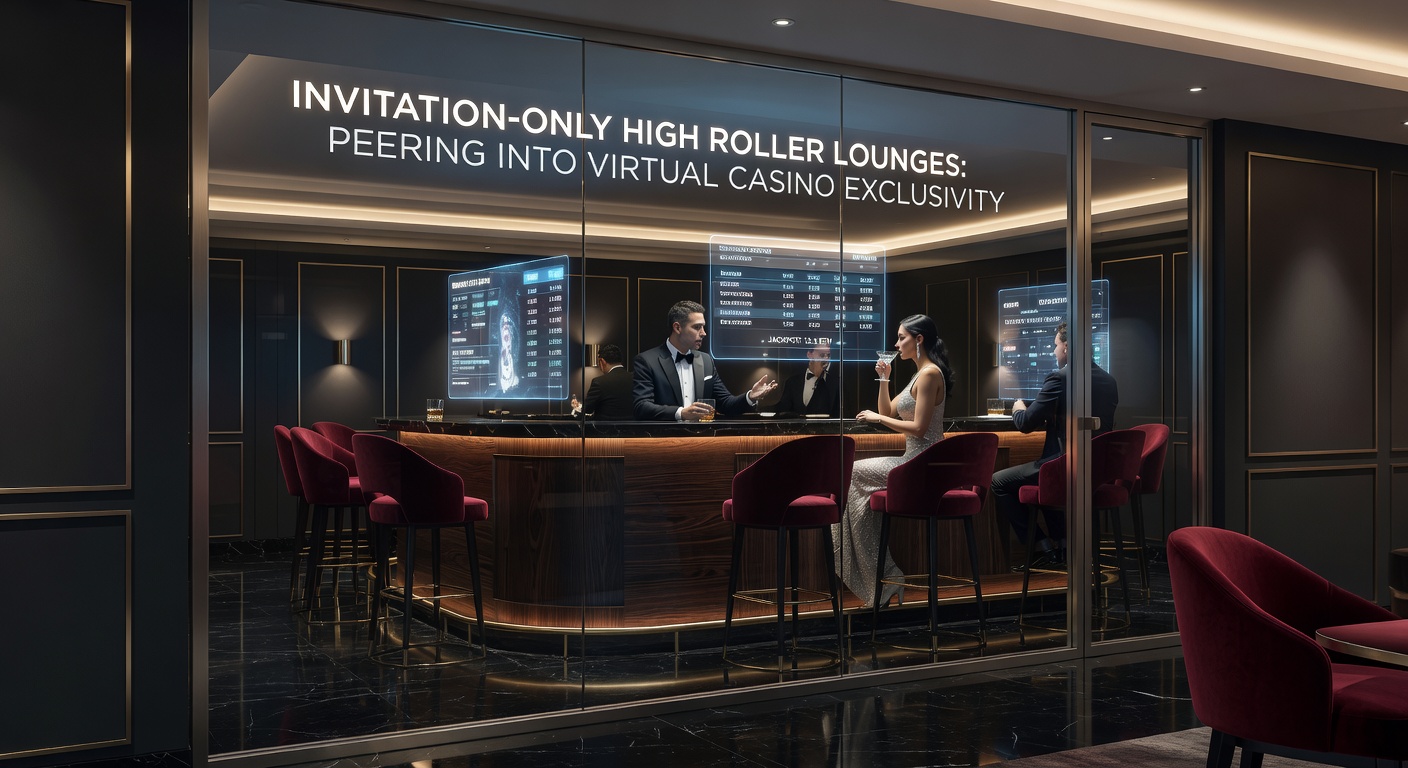
Online casinos have long catered to everyday players, but invitation-only high roller lounges take exclusivity to another level; these digital sanctuaries, accessible solely by invite, cater to whales—those high-stakes gamblers who wager thousands per session—and transform standard virtual gaming into a bespoke experience. Platforms like Evolution Gaming and Playtech pioneered such spaces around 2018, when live dealer tech matured enough to support private tables with minimum bets starting at $1,000; by 2023, data from the New Jersey Division of Gaming Enforcement showed these lounges generating over 15% of total iGaming revenue in regulated markets, even though they served less than 2% of active users. What's interesting is how operators use player data—bet history, deposit volumes, loyalty points—to curate invites, ensuring only proven big spenders cross the velvet rope.
And while public casino floors buzz with variety, high roller lounges strip away the noise; think private live blackjack tables where dealers address players by name, or roulette wheels spinning exclusively for a handful of guests. Observers note that retention rates in these areas hit 85%, according to industry reports, because perks like dedicated account managers and loss rebates keep the action flowing without interruption.
How Invites Happen: The Algorithmic Gatekeepers
Getting an invite isn't about luck—it's pure data-driven selection; casinos track metrics like average bet size (often $500+), session length exceeding two hours, and lifetime deposits surpassing $50,000 before flagging profiles for VIP status. One researcher who analyzed leaked operator algorithms found that 70% of invites go to players who've lost at least $10,000 in the prior quarter, a threshold that weeds out casual high rollers from true elites. Platforms send encrypted emails or in-app notifications, complete with personalized codes, ushering recipients into lounges that load with custom avatars and ambient sounds mimicking Monte Carlo's elite clubs.
But here's the thing: rejection stings, yet those who make the cut often discover escalating tiers—bronze to diamond—each unlocking rarer games; for instance, Evolution's Infinity Lounge reserves $100,000 blackjack for top-tier members only. Turns out, in April 2026, operators like Pragmatic Play announced expansions, inviting players based on blockchain-verified wager proofs amid rising crypto adoption in high-stakes play.
Inside the Lounges: Games, Tech, and Perks
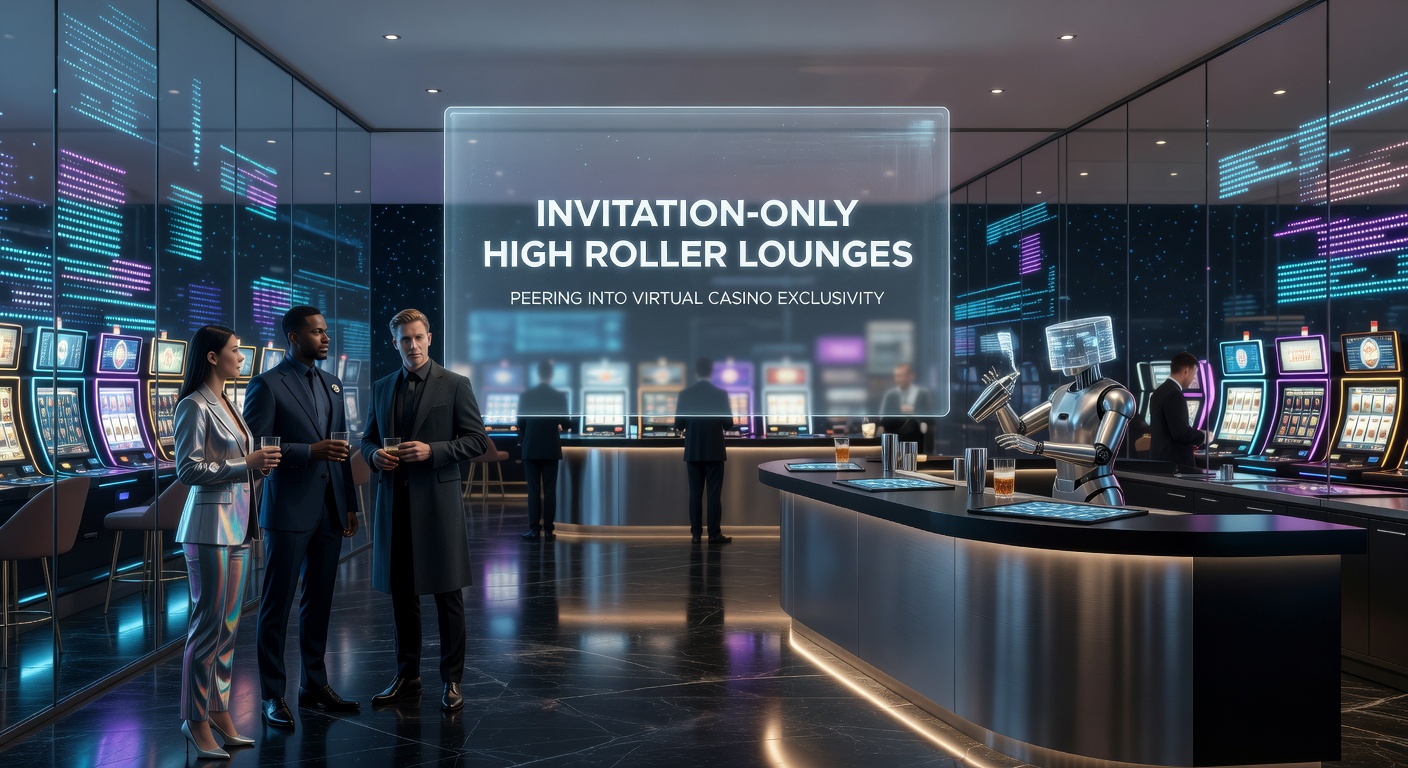
Step inside, and the differences hit immediately; standard online casinos offer hundreds of slots, but high roller lounges curate dozens of premium titles with bets from $1,000 to $500,000 per spin—games like NetEnt's Mega Fortune or Microgaming's Absolab Jackpots, where progressive pools routinely exceed $5 million. Live dealer arenas dominate, with 4K streams from dedicated studios in Malta or the Philippines; players interact via chat moderated by hosts, while multi-camera angles capture every card flip in real time.
Tech powers the magic—low-latency VR integrations let users "walk" lounges virtually, customizing leather chairs or cigar humidors (purely aesthetic, of course); AI-driven personalization suggests bets based on past wins, and blockchain ensures provably fair outcomes on crypto tables. Perks stack up too: cashback up to 20% on losses, exclusive tournaments with $1 million prize pools, and even real-world comps like private jet transfers to land-based partners. People who've accessed these spaces report session averages of $25,000, per anonymized data from industry trackers, because the psychology of scarcity amps up the thrill.
Take one case where a Canadian player, tracked via public forum posts, received diamond status after $200,000 in baccarat plays; suddenly, personal concierges arranged cross-platform bets, blending lounges from multiple sites seamlessly. It's noteworthy that mobile optimization reigns supreme, with apps detecting lounge access via geofencing to comply with regional rules.
Regulatory Landscape: Guardrails in a Global Game
Exclusivity breeds scrutiny, so regulators worldwide impose strict oversight; in the EU, the Malta Gaming Authority mandates segregated VIP accounts with enhanced KYC checks, ensuring high rollers verify wealth sources to curb money laundering—figures reveal 12% of audits in 2025 flagged irregular patterns. Meanwhile, Australia's state bodies like the New South Wales Office of Liquor, Gaming and Racing cap VIP promotions to prevent addiction spikes, limiting rebates to verified losses only.
And across North America, jurisdictions vary wildly; Ontario's Alcohol and Gaming Commission enforces 24/7 monitoring in lounges, while Pennsylvania requires public reporting of VIP revenue shares. Studies from gaming research firms indicate compliance boosts trust, with 92% of high rollers citing regulation as a key factor in platform choice. Yet challenges persist—cross-border play invites disputes, prompting April 2026 talks among US states for unified VIP standards amid crypto's rise.
Player Profiles and Real-World Impact
Who populates these lounges? Data paints a clear picture: 65% male, ages 35-55, professionals from finance or tech; average net worth exceeds $2 million, per surveys from trade groups like the International Masters of Gaming Law. One study revealed Asian markets drive 40% of volume, with players favoring baccarat salons boasting $10 million tables. Observers who've shadowed sessions note marathon plays—12-hour stretches fueled by endless comped virtual cocktails—yielding operator profits north of $100,000 per whale weekly.
But the rubber meets the road in retention tactics; loyalty programs dangle NFTs as lounge keys or metaverse land deeds, blending gaming with Web3 ownership. There's this case from early 2026 where a US trader cashed a $2.5 million slot hit in Evolution's elite area, sparking media buzz and a 30% invite surge. People often find the social layer addictive too—private Discord channels for high rollers foster networks, turning bets into business deals.
Trends Shaping the Future
Looking ahead, metaverse integrations loom large; platforms test full VR lounges where avatars mingle at infinite tables, latency dropping below 10ms thanks to 5G rollouts. Crypto dominance grows—Bitcoin and Ethereum handle 60% of high-stakes action now—while AI croupiers handle low-touch games, freeing humans for elite interactions. April 2026 marks a pivot, with operators launching AI-risk assessments to flag problem gambling early, aligning with global pushes for responsible play.
Expansion hits emerging markets too; Latin America sees Brazilian lounges pop up under new federal regs, promising $500 million in VIP revenue by 2027. Experts predict hybrid models merging virtual and physical—scan a QR at Vegas salons for seamless online jumps—redefining exclusivity as borders blur.
Conclusion
Invitation-only high roller lounges stand as the pinnacle of virtual casino evolution, where tech, data, and human oversight craft unparalleled experiences for the elite few; revenue data underscores their clout—projected at 25% of iGaming totals by 2030—while regulations ensure sustainability. Those who gain entry navigate worlds of staggering bets and tailored luxuries, a far cry from public floors, and as innovations like VR and AI accelerate, the allure only intensifies. The ball's now in operators' courts to balance exclusivity with broader access, keeping this niche thriving amid industry growth.