Linking Random Outcome Validations to Reward Program Involvement in Smartphone Gaming Suites
Written by Katja Beck · Jul 6, 2026
Linking Random Outcome Validations to Reward Program Involvement in Smartphone Gaming Suites
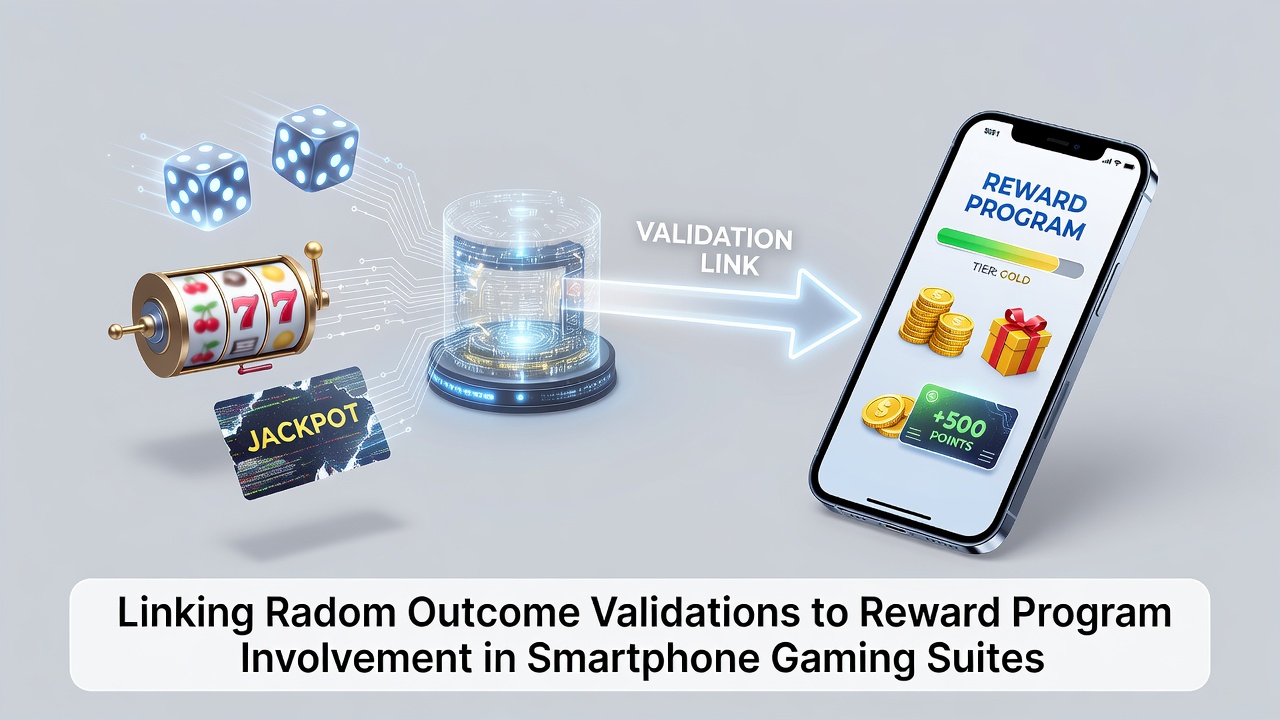
Random outcome validations form a core technical layer in smartphone gaming suites where certified algorithms determine results in games ranging from slots to table variants, and operators connect these verified processes directly to reward program mechanics that track player activity and distribute incentives. Certification bodies test random number generators through statistical sampling and long-run equilibrium checks before any integration with loyalty systems occurs, which means reward calculations rely on outcomes already confirmed as unpredictable and fair across millions of simulated cycles.
Validation Protocols in Mobile Environments
Developers submit gaming suites to independent laboratories that run entropy assessments and distribution uniformity tests on the underlying code, while device-specific factors such as processor speed and network latency receive separate evaluation to ensure the validated algorithm behaves consistently on smartphones. Once approval is granted, each generated result carries a cryptographic hash that loyalty platforms reference when awarding points or tier advancement, creating an unbroken chain between the random event and the recorded reward entry. Regulatory frameworks in multiple jurisdictions require annual re-testing, and data from these audits feed into player-facing dashboards that display verified fairness metrics alongside accumulated rewards.
How Reward Systems Reference Validated Outcomes
Loyalty programs log every spin, hand, or bet only after the outcome passes through the certified generator, which prevents manual overrides and ties bonus eligibility to sequences already proven random. Players accumulate points based on wager volume multiplied by verified return parameters, and progression through tiers unlocks additional benefits only when the system confirms that prior activity originated from audited random sources. In July 2026 several suites introduced real-time verification tokens that loyalty engines query before releasing cashback or free spins, reducing disputes and streamlining the connection between outcome integrity and program participation.
Data Patterns Linking Fairness Checks to Engagement Metrics
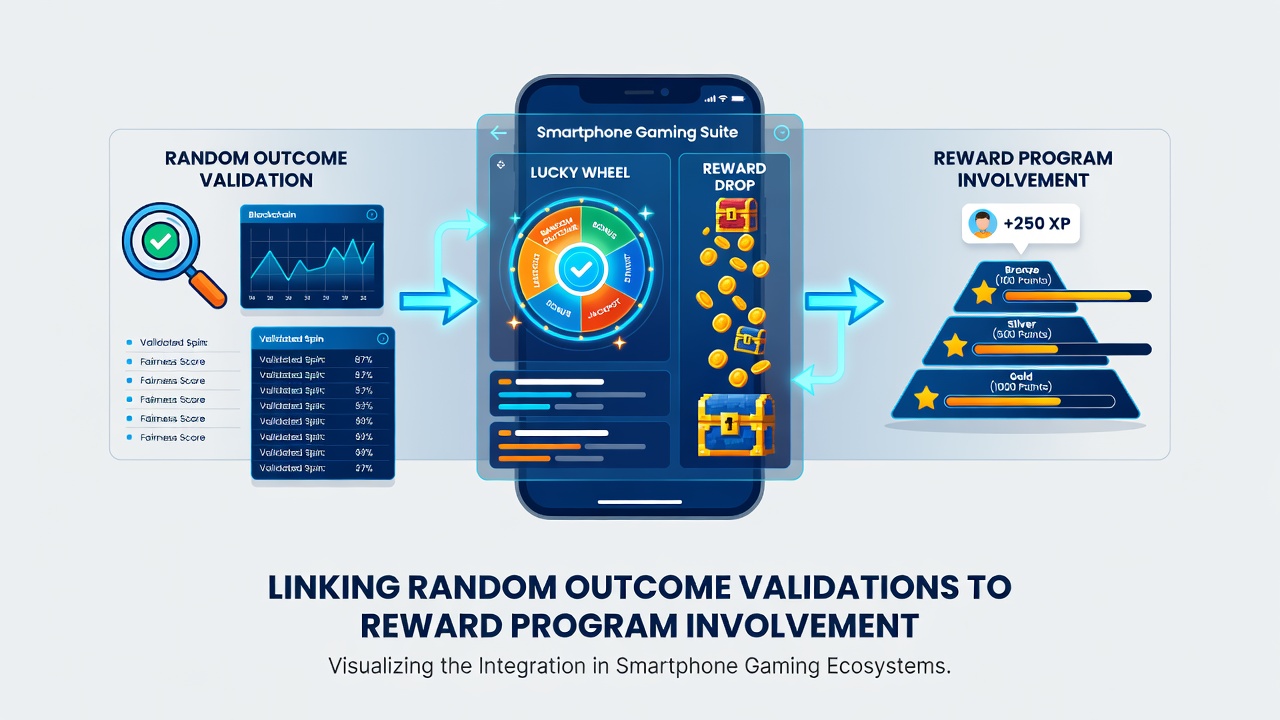
Analytics platforms record correlations between the frequency of validated outcomes and the rate at which users redeem rewards, revealing that suites displaying certification seals experience higher retention in loyalty tiers. Operators feed these patterns back into program design so that milestone bonuses trigger only after a predetermined number of certified results accumulate, which aligns player incentives with the continued operation of audited systems. Research conducted by academic groups at institutions such as the University of Nevada, Reno has examined these linkages, showing measurable differences in session length when reward structures explicitly reference third-party validation reports rather than internal logs alone.
Regulatory Influences Across Regions
Agencies including the New Jersey Division of Gaming Enforcement and the Australian Communications and Media Authority mandate that any reward program referencing game results must cite current validation certificates, forcing operators to maintain synchronized databases between certification status and loyalty ledgers. Non-compliance results in suspended reward distributions until fresh audits clear the random generators, which directly interrupts point accrual and tier progression for affected users. These rules create operational incentives for developers to embed validation APIs that loyalty modules can call automatically, ensuring continuous alignment without manual intervention.
Technical Integration Methods
Application programming interfaces expose validation status flags that reward engines poll at the moment a player qualifies for a bonus, while blockchain-based timestamping in some suites records both the random seed and the subsequent reward transaction on the same ledger. Such architectures allow external auditors to trace a single outcome from generation through to its contribution toward a loyalty milestone, satisfying transparency requirements while keeping the player experience seamless on mobile devices. Developers update these linkages during routine suite maintenance so that changes to random algorithms propagate instantly to reward calculations without requiring players to reinstall applications.
Conclusion
The connection between random outcome validations and reward program involvement rests on technical certification, regulatory oversight, and integrated data systems that treat verified results as the foundation for every loyalty transaction. Observers note that as smartphone gaming suites evolve, the precision of these linkages determines both compliance standing and the operational stability of player incentive structures across markets. Continued refinement of validation APIs and audit synchronization promises tighter integration without altering the fundamental requirement that rewards derive exclusively from outcomes already confirmed as random and fair.