Linking Randomness Verification Methods to Long-Term Retention in Elite Digital Loyalty Schemes
Written by Greta Albrecht · Jul 31, 2026
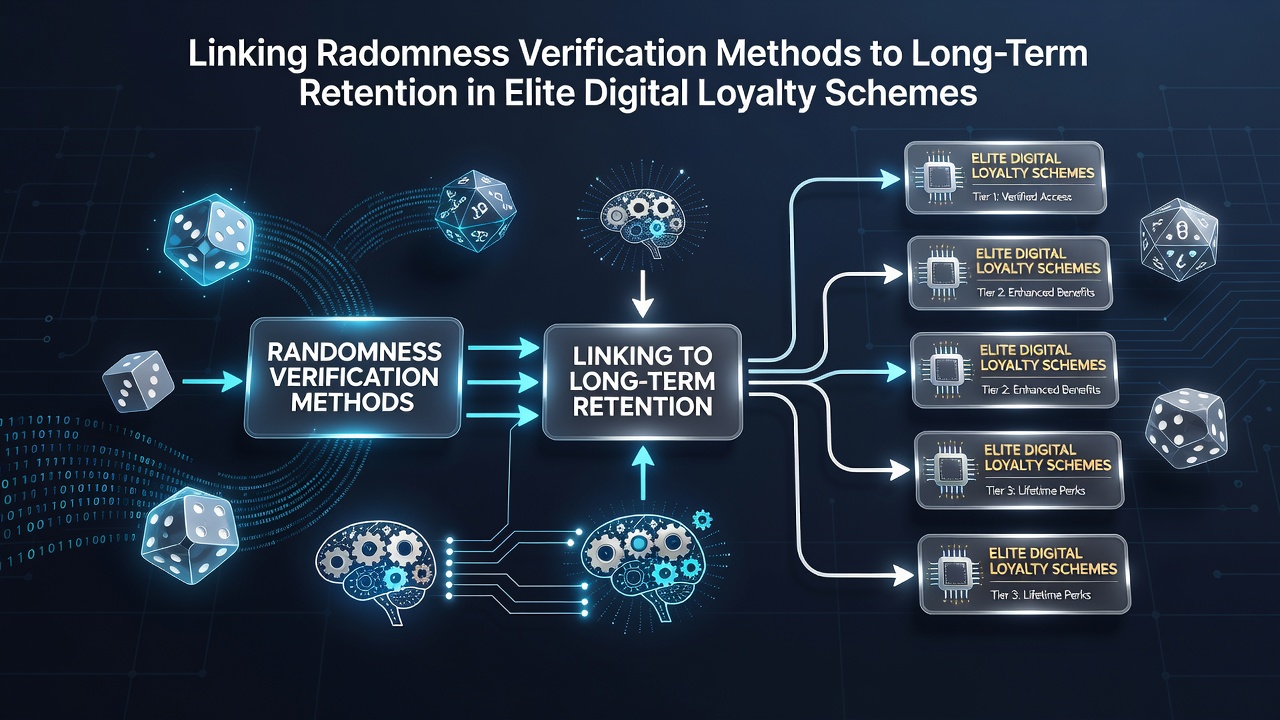
Linking Randomness Verification Methods to Long-Term Retention in Elite Digital Loyalty Schemes
Randomness verification methods rely on third-party audits and cryptographic checks that confirm outcomes in digital gaming systems remain unpredictable and fair, and these processes tie directly into retention patterns within elite loyalty schemes that reward high-value participants over extended periods. Operators integrate certified random number generators into bonus allocation and tier progression mechanics, which builds measurable trust among participants who return repeatedly because they perceive the system as equitable. Data from regulatory filings shows platforms with documented verification protocols maintain higher engagement rates in VIP segments compared to those without such transparency measures.
Core Components of Randomness Verification
Verification begins with independent laboratories testing algorithms against standards set by bodies like the Nevada Gaming Control Board, while cryptographic hashing ensures each result traces back to an auditable seed without external interference. Elite schemes layer these checks onto reward triggers such as randomized jackpot entries or tier-upgrade lotteries, and participants receive periodic reports detailing audit outcomes. Observers note that when verification reports appear in member dashboards, activity logs indicate sustained logins and deposit patterns across multi-month spans.
Integration Within Loyalty Structures
Loyalty platforms assign points and exclusive benefits through systems that incorporate verified randomness for prize draws and personalized offers, and this linkage prevents perceptions of manipulation that erode commitment. Researchers tracking user cohorts across North American and Asian markets found that programs publishing audit summaries quarterly correlate with lower churn figures, particularly among top-tier members who access high-stakes environments. One analysis of transaction data revealed that verified randomness elements in reward distribution align with extended session lengths and higher cumulative spend over twelve-month windows.
Retention Metrics and Supporting Evidence
Retention tracking relies on metrics including repeat visit frequency, average revenue per user in VIP brackets, and progression speed through loyalty levels, and studies connect these indicators to the presence of transparent verification. In July 2026 reports from multiple jurisdictions highlighted how platforms emphasizing audited RNG usage in loyalty mechanics recorded retention uplifts of several percentage points among elite participants. Figures from industry associations demonstrate that operators sharing verification certificates with members experience steadier cohort stability, especially when combined with real-time outcome displays that reference audit seals.
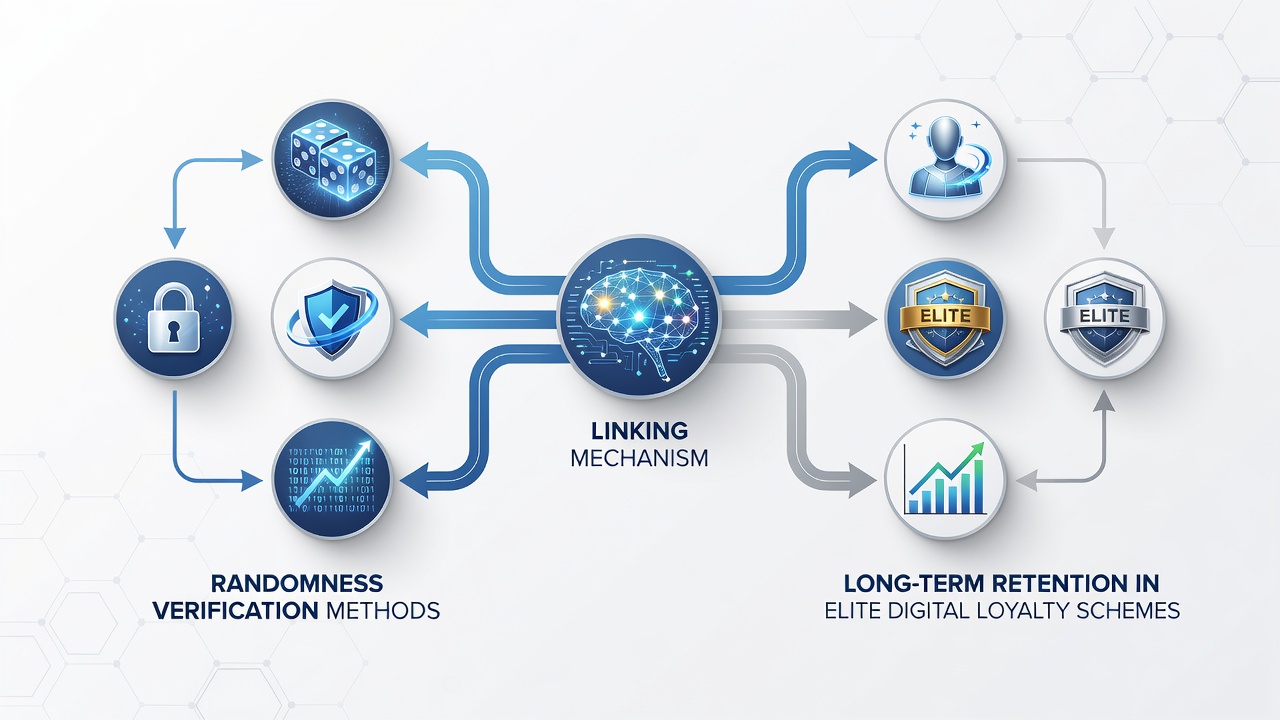
Take one research project that examined mobile loyalty applications across European markets and discovered participants exposed to verifiable random outcomes in bonus cycles maintained accounts longer than control groups. Another dataset from Canadian provincial regulators indicated similar patterns where documented fairness protocols coincided with reduced account dormancy rates in premium tiers. These observations hold across different regulatory environments because verification reduces uncertainty that otherwise prompts users to explore alternative platforms.
Operational Practices Across Providers
Providers implement continuous monitoring tools that log every random generation event and submit samples for external review, and elite loyalty interfaces then surface simplified versions of these logs to members. This practice connects directly to retention because participants who access proof of fairness report higher confidence in long-term reward equity. Trade group summaries from the American Gaming Association detail how such integrations appear in multi-state operations, while data from iGaming Ontario shows comparable verification-retention alignments in provincial markets. And yet the mechanism remains consistent: verified randomness removes doubt that might otherwise interrupt loyalty progression sequences.
Future Trajectories in Verification and Loyalty
Emerging standards incorporate blockchain-based logging of random sequences so members can independently confirm outcomes, and early adopters in Asia-Pacific regions already link these records to loyalty dashboards. Retention models project continued correlation as more schemes adopt layered verification that spans both core gameplay and reward mechanics. Those who've examined longitudinal data note sustained participation when verification updates occur alongside tier resets or anniversary bonuses.
Conclusion
Linking randomness verification to elite loyalty structures produces measurable effects on retention through documented fairness that encourages repeated engagement. Regulatory records and industry datasets continue to map these connections across regions, while operational examples illustrate how audit transparency integrates into reward pathways without disrupting user flow. The pattern holds as platforms refine verification tools to match evolving loyalty program complexity.