Mapping Transaction Speeds to Strategy Shifts Across Portable Loyalty Frameworks and Live Table Interfaces
Written by Katja Beck · Aug 14, 2026
Mapping Transaction Speeds to Strategy Shifts Across Portable Loyalty Frameworks and Live Table Interfaces
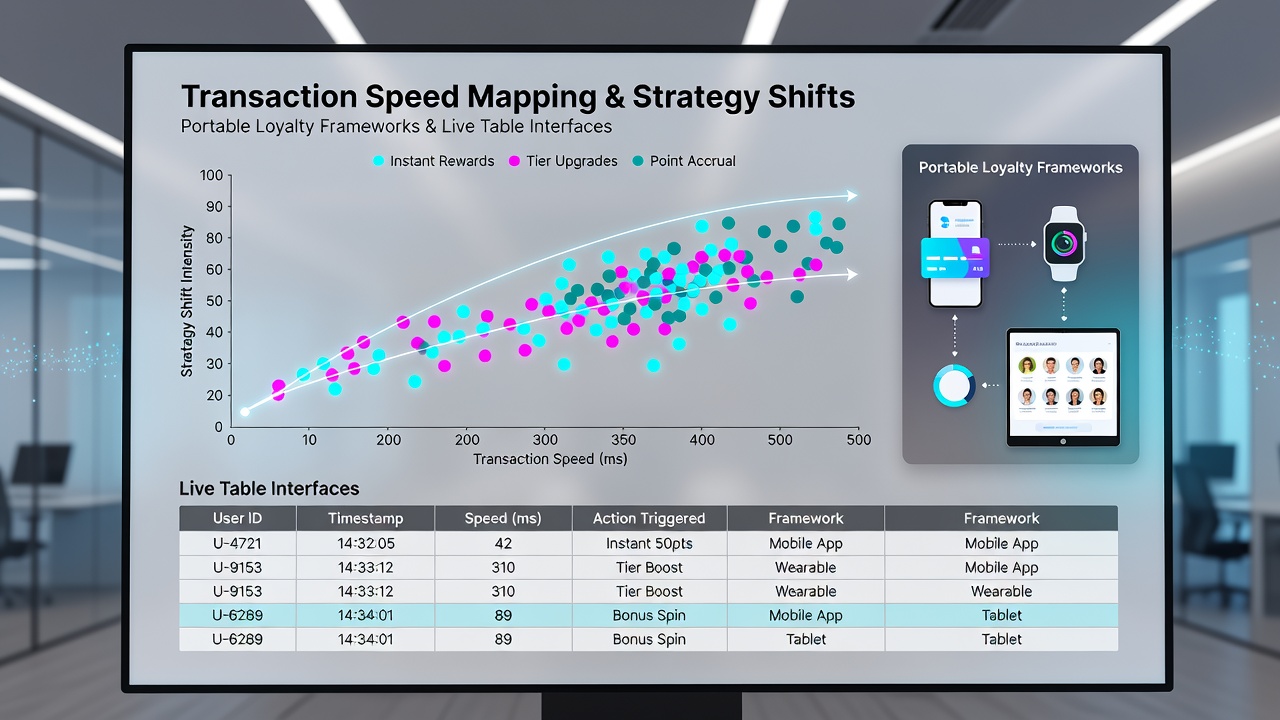
Transaction speeds in mobile gambling platforms have become a measurable factor that operators track when players move between portable loyalty frameworks and live table interfaces, with data from multiple jurisdictions showing direct correlations between processing times and adjustments in betting patterns. Platforms that reduce deposit and withdrawal intervals from several seconds to under two seconds often record shifts where users advance through loyalty tiers at accelerated rates, particularly in environments that combine real-time dealer feeds with instant reward redemptions.
Analysts at regional gaming authorities have documented these patterns across smartphone-based systems during the first half of 2026, noting that faster transaction cycles allow participants to respond to live table outcomes without pausing to manage account balances. In August 2026, operators in several North American markets reported measurable increases in session frequency on mobile apps where transaction latency dropped below industry averages, coinciding with higher rates of tier progression in loyalty programs tied to live dealer games.
Transaction Processing and Loyalty Progression Mechanics
Portable loyalty frameworks rely on immediate crediting of wagers and redemptions to maintain player engagement across multiple sessions, and studies conducted by industry research groups indicate that delays exceeding four seconds correlate with reduced frequency of strategic adjustments such as increasing bet sizes or switching table types. When transaction speeds improve, users demonstrate greater willingness to test new reward triggers embedded in live interfaces, including dynamic multipliers that activate only after consecutive rapid deposits.
One documented example involves a multi-state operator that integrated instant wallet transfers into its mobile loyalty system, after which participants shifted from conservative minimum-bet approaches to mid-tier staking patterns within the same live table environment. These changes appeared most consistently among users who accessed both loyalty dashboards and dealer streams through the same application, allowing seamless movement between balance management and gameplay decisions.
Live Table Interfaces and Real-Time Strategy Adjustments
Live table interfaces present continuous streams of card and wheel outcomes that players interpret alongside loyalty notifications, creating situations where transaction speed directly influences whether a participant can capitalize on emerging patterns before the next round begins. Data compiled by academic researchers at institutions studying digital gaming behavior shows that platforms achieving sub-three-second confirmation times experience elevated rates of table-switching behavior, as users move between variants to optimize point accumulation toward higher loyalty tiers.
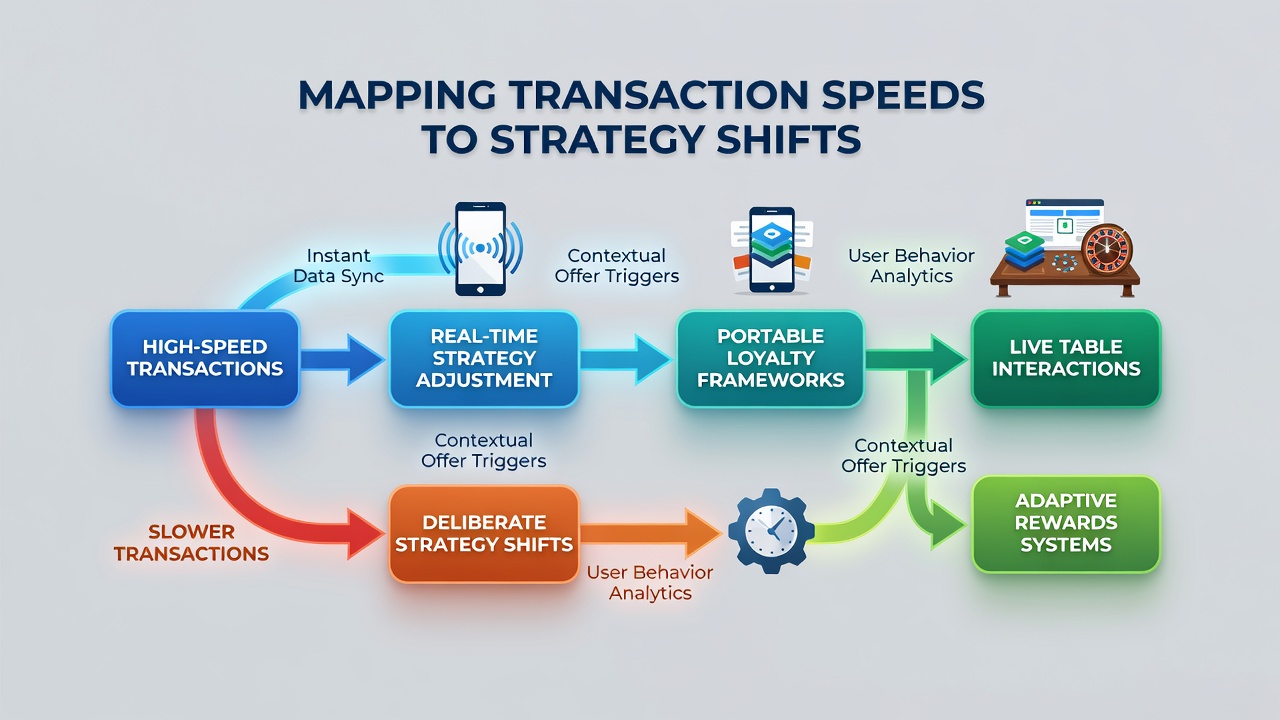
Observers note that these adjustments occur more frequently during peak evening hours, when live dealer traffic peaks and loyalty bonuses tied to volume become available. Platforms that synchronize transaction logs with live feeds enable users to monitor both their current tier status and table-specific metrics without exiting the interface, a feature that several providers rolled out in updates released prior to August 2026.
Integration Across Regional Markets and Data Patterns
Reports from the American Gaming Association highlight how operators in regulated U.S. states have linked transaction velocity metrics to loyalty retention rates, finding that frameworks supporting instant redemptions retain users longer across live table sessions than those with manual approval steps. Similar observations appear in analyses from European regulatory bodies, where cross-border mobile platforms demonstrate parallel trends between processing speeds and the adoption of adaptive betting sequences.
Researchers tracking these systems have identified consistent variables: the time required for funds to reflect in a live table balance, the interval between reward trigger activation and visibility in the loyalty dashboard, and the synchronization latency between mobile notifications and dealer stream updates. When any of these intervals shorten, participants tend to execute more frequent strategy recalibrations, such as reallocating wagers across multiple tables within a single loyalty cycle.
Technical Synchronization and Platform Variations
Different software providers approach synchronization between transaction systems and live interfaces through distinct architectures, yet the measurable outcome remains tied to overall speed. Systems that route loyalty point calculations through the same servers handling live dealer results reduce the window during which users must wait before confirming their next action, leading to documented increases in consecutive play periods according to aggregated platform statistics.
Platforms serving multiple jurisdictions have adjusted their mobile frameworks to accommodate varying regulatory requirements on transaction verification while preserving speed advantages, resulting in loyalty tiers that advance based on combined metrics of speed and volume rather than volume alone. These adaptations appear in markets where live table interfaces must comply with both local licensing rules and cross-platform reward portability standards.
Conclusion
Transaction speeds continue to function as a quantifiable variable that maps onto observable shifts in how users navigate loyalty frameworks and live table decisions, with evidence drawn from regulatory reports and platform analytics showing consistent patterns across regions. Operators that prioritize reduced latency in mobile environments record corresponding changes in player progression and table engagement, patterns that data from 2026 has made increasingly clear for those monitoring the sector.