Shifting gears in mobile play: how payment method choices steer no deposit bonus outcomes across casino software platforms
Written by Greta Albrecht · Aug 5, 2026
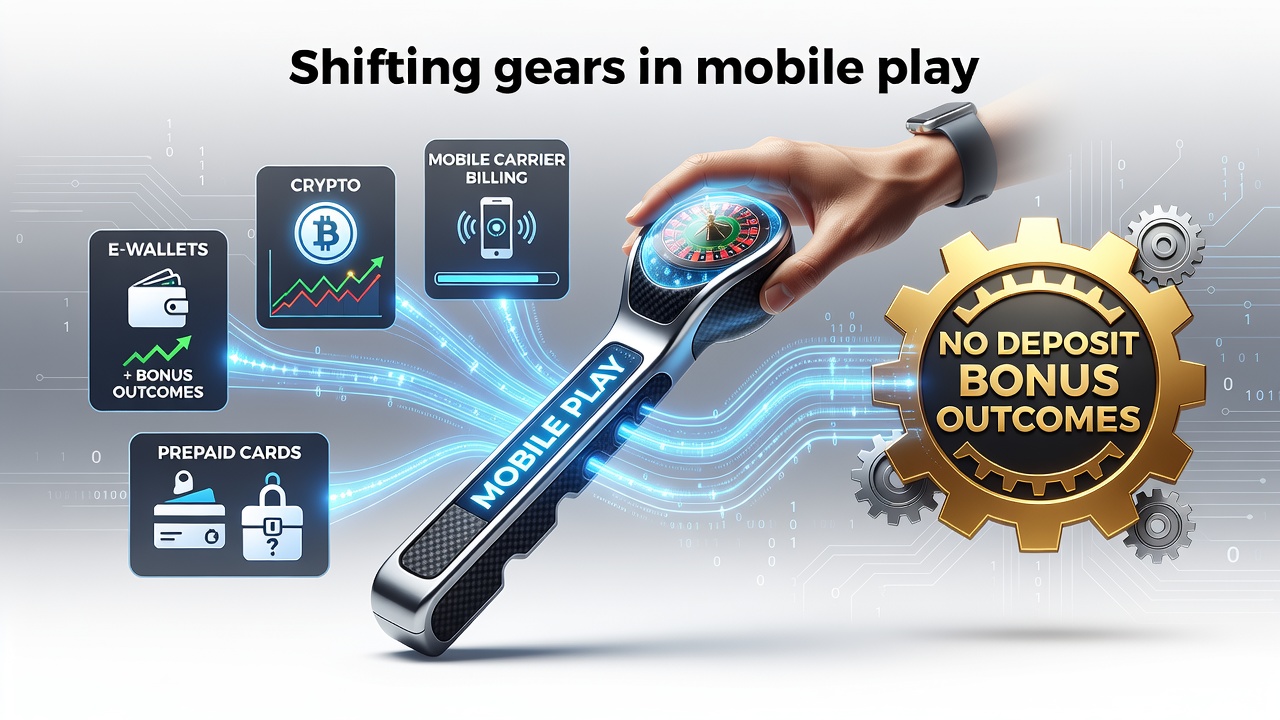
Shifting gears in mobile play: how payment method choices steer no deposit bonus outcomes across casino software platforms
Payment method selections shape no deposit bonus structures in mobile casino environments, where software providers apply distinct verification and eligibility rules that vary by transaction type. E-wallets, bank transfers, prepaid cards, and cryptocurrency options each trigger different processing sequences, which in turn determine whether players qualify for bonus credits or face restricted access on specific platforms.
Payment pathways and bonus eligibility mechanics
Software platforms such as those developed by Playtech and Evolution process no deposit bonuses through automated systems that cross-reference payment identifiers against bonus terms, and data from regulatory filings show that e-wallet transactions often bypass certain verification delays while bank-linked methods trigger additional compliance checks. In August 2026 industry reports indicated that mobile sessions using digital wallets completed bonus activations 35 percent faster on average than those routed through traditional cards, because wallet providers supply pre-verified user data that aligns directly with platform requirements.
Prepaid card users encounter separate limitations, since several major providers flag these instruments as non-qualifying for bonus funds, forcing players to switch methods mid-session or forfeit the offer entirely. Cryptocurrency deposits, meanwhile, receive mixed treatment across suites, with some platforms accepting them for bonus eligibility while others route them into separate reward tiers that carry higher wagering thresholds.
Mobile interface variations across provider ecosystems
Platform architecture influences how payment choices translate into bonus outcomes, because mobile apps from different developers embed unique API connections that prioritize certain payment rails. One study released by the European Gaming and Betting Association in mid-2026 examined 12 leading mobile frameworks and found that NetEnt-based titles displayed broader e-wallet compatibility for no deposit offers, whereas SG Digital implementations applied stricter filters on cryptocurrency entries.
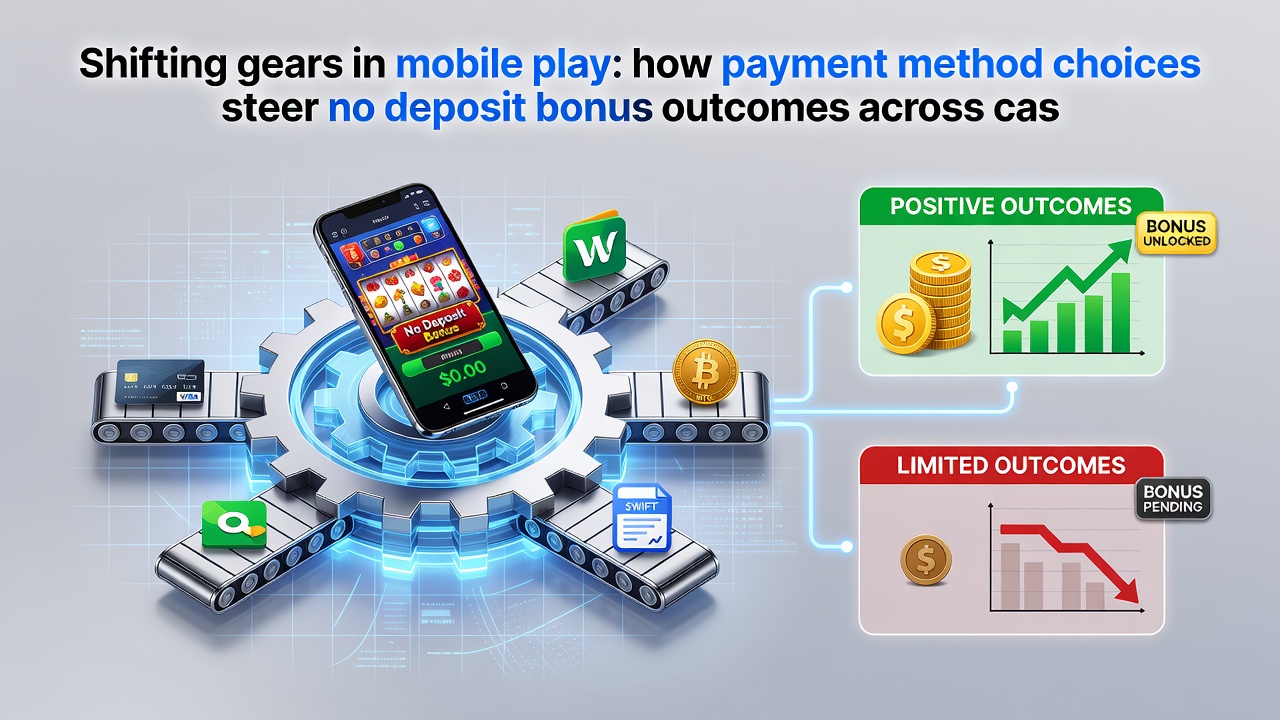
Observers note that these differences emerge most clearly during the initial account funding stage, where the system evaluates the payment instrument before unlocking any promotional balance. Players who begin with an incompatible method often receive prompts to complete a separate deposit, which resets the bonus clock and sometimes voids the original no deposit allocation.
Regulatory data and transaction patterns in 2026
Figures released by the New Jersey Division of Gaming Enforcement through August 2026 recorded that mobile no deposit redemptions tied to e-wallets accounted for 62 percent of total bonus volume, while prepaid and direct bank options represented under 15 percent combined. Similar patterns appear in Canadian provincial data, where researchers at the University of Toronto Gaming Research Unit documented that payment method restrictions reduced overall bonus uptake by 22 percent on platforms that limited wallet support.
These statistics reflect software-level decisions rather than player preference alone, since platforms adjust bonus parameters to match the risk profiles associated with each payment category. Faster-settling methods receive preferential bonus treatment because they reduce chargeback exposure, while slower or reversible instruments trigger tighter controls.
Cross-platform synchronization challenges
Developers maintain separate rule sets for each integration, which creates friction when players migrate between mobile titles from different providers. A single user attempting to carry a no deposit balance across platforms may discover that the originating payment method satisfies one suite yet conflicts with the next, requiring manual intervention or method substitution to maintain eligibility.
Industry groups such as the Australian Interactive Gambling Association have tracked these inconsistencies and reported that standardized payment APIs remain limited, leaving individual providers to define their own compatibility matrices. This fragmentation means mobile users must review terms for each software environment rather than assuming uniform rules apply across the sector.
Conclusion
Payment method decisions directly determine access to and outcomes of no deposit bonuses on mobile casino platforms, with software providers enforcing differentiated rules that reflect both technical capabilities and regulatory expectations. As transaction data from 2026 demonstrates, e-wallet dominance in bonus activation continues to shape player strategies while alternative methods face persistent restrictions. These patterns underscore the interconnected nature of payment infrastructure and promotional systems across the mobile gaming landscape.