Software Algorithms Guiding Bet Adjustments in Smartphone-Based Reward Programs
Written by Sam Washington · Jul 22, 2026
Software Algorithms Guiding Bet Adjustments in Smartphone-Based Reward Programs
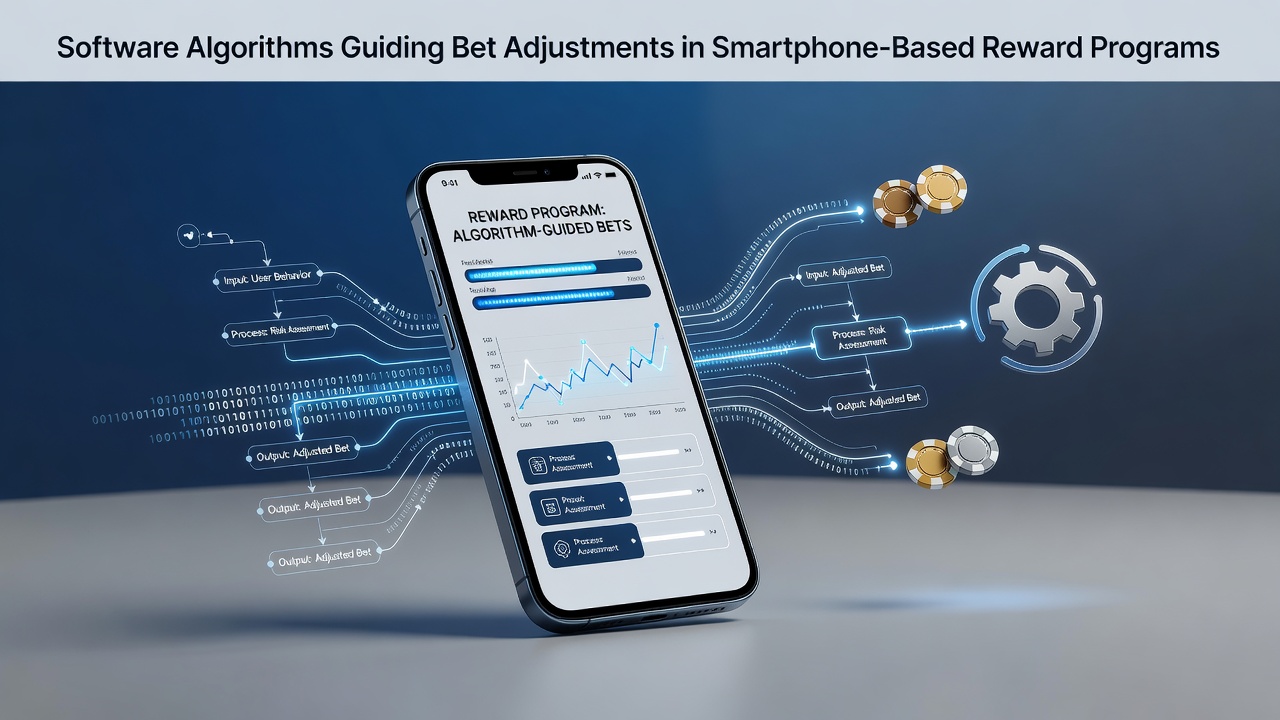
Software algorithms in smartphone-based reward programs analyze user behavior patterns, transaction histories, and engagement metrics to guide real-time bet adjustments across digital platforms, and developers integrate these systems to maintain consistent play dynamics while supporting loyalty structures. Data from multiple operators shows that such algorithms process inputs like deposit frequency, session duration, and game preferences to determine incremental changes in wager limits or bonus multipliers, and this approach connects directly to how reward tiers evolve for individual accounts.
Core Mechanisms Behind Algorithmic Adjustments
Developers design these algorithms around machine learning models that evaluate historical data sets collected from mobile sessions, and the systems apply weighted variables to predict optimal bet ranges that align with reward accumulation goals. For instance, one operator in a regulated market observed that users who completed 15 consecutive daily logins received automated suggestions to increase base bets by 10 to 25 percent when certain loyalty thresholds were met, and similar patterns appear across other providers that track play velocity through app telemetry.
Processing occurs on secure cloud servers that sync with smartphone applications every few seconds, which allows adjustments to appear seamless during active sessions, and the models incorporate randomization elements drawn from certified random number generators to prevent predictable sequences. Researchers at institutions studying digital gaming systems have documented how these frameworks balance reward delivery with platform profitability, and figures from industry analyses indicate that operators using advanced versions report higher retention rates among users who receive personalized bet prompts.
Data Inputs and Processing Pipelines
Algorithms draw from a combination of account-level metrics and aggregated anonymized data pools, including time-of-day activity, device type, and payment method selections, while they exclude any personally identifiable information in the core decision layers to comply with privacy standards. The pipelines apply decision trees and neural network layers that score each incoming session against predefined reward curves, and adjustments trigger when scores cross specific boundaries tied to VIP progression or bonus eligibility.
One documented implementation processes up to 200 variables per user interaction, and developers update the underlying models monthly based on performance audits conducted by third-party testing laboratories. According to reports published by the American Gaming Association, operators in multiple jurisdictions have expanded these capabilities since early 2025, with deployment rates increasing notably in states that permit mobile wagering.
Integration with Mobile Reward Ecosystems
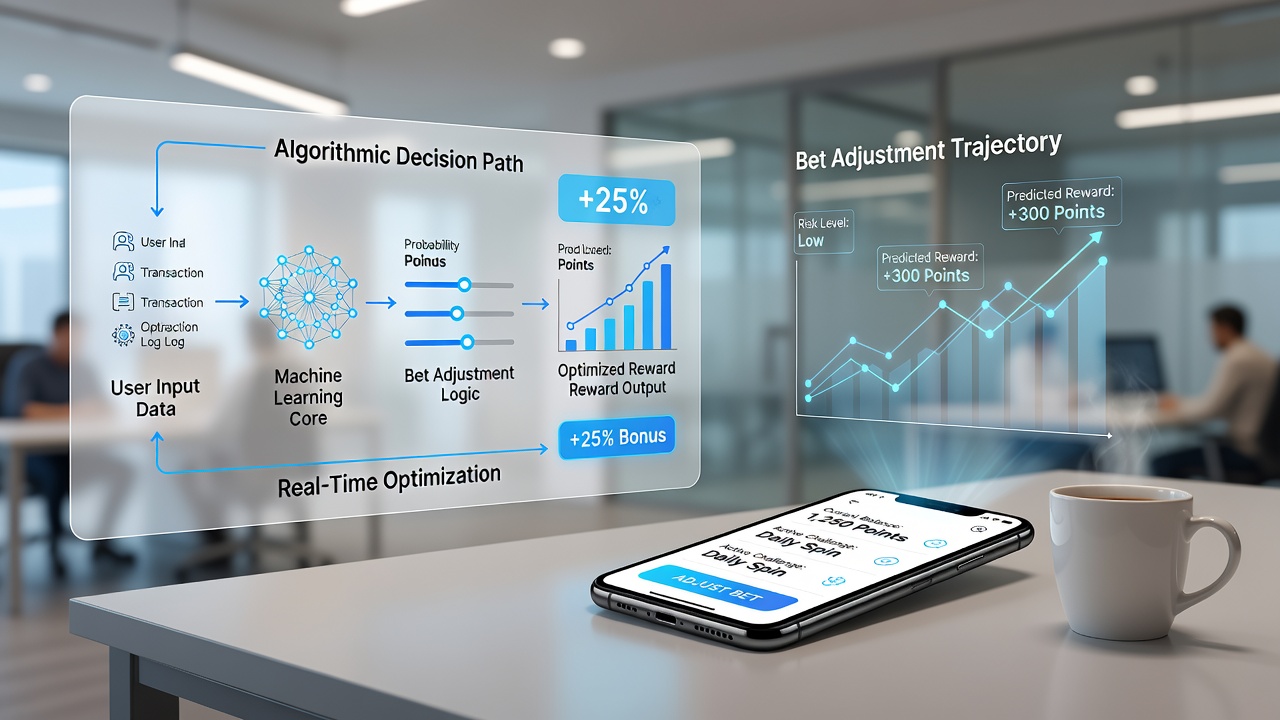
Smartphone applications serve as the primary interface where algorithmic outputs manifest as on-screen prompts or automatic bet sliders, and users encounter these features when they reach milestone markers such as accumulated points or consecutive active days. The systems coordinate bet adjustments with reward redemptions so that higher wagers in approved categories accelerate tier advancement, and this linkage relies on application programming interfaces that exchange data between the reward engine and the core gaming server without interrupting gameplay flow.
External regulatory bodies, including the Nevada Gaming Control Board, have issued guidance on how such integrations must log all automated changes for audit purposes, and similar requirements appear in frameworks adopted by Australian state authorities overseeing digital betting services. In July 2026, several operators introduced enhanced versions that incorporate real-time location data where permitted, allowing adjustments to reflect regional promotions without altering core algorithmic logic.
Examples from Current Deployments
One case involved a multi-state operator that adjusted bet minimums for high-engagement users during promotional windows, resulting in measurable shifts in average session values according to internal metrics shared with industry researchers. Another deployment in a Canadian provincial market used reinforcement learning techniques to refine bet suggestions over successive weeks, and participants in that pilot showed increased interaction with reward redemption options after the updates took effect.
Industry observers note that synchronization between these algorithms and live game feeds requires precise timing protocols, and providers address latency through edge computing nodes positioned near major mobile network hubs. Data compiled by academic groups at institutions focused on computational gaming studies reveals that effective implementations reduce manual overrides by support teams, which streamlines operations across large user bases.
Conclusion
Software algorithms that guide bet adjustments continue to shape how smartphone-based reward programs operate, and their reliance on structured data analysis supports both user progression and operational consistency across jurisdictions. As deployment expands through 2026, ongoing refinements driven by regulatory feedback and performance metrics will determine the next stages of integration in mobile environments.