Soundscapes and Focus: Investigating Audio Features in Real-Time Dealer Interfaces
Written by Riley Keller · Jun 15, 2026
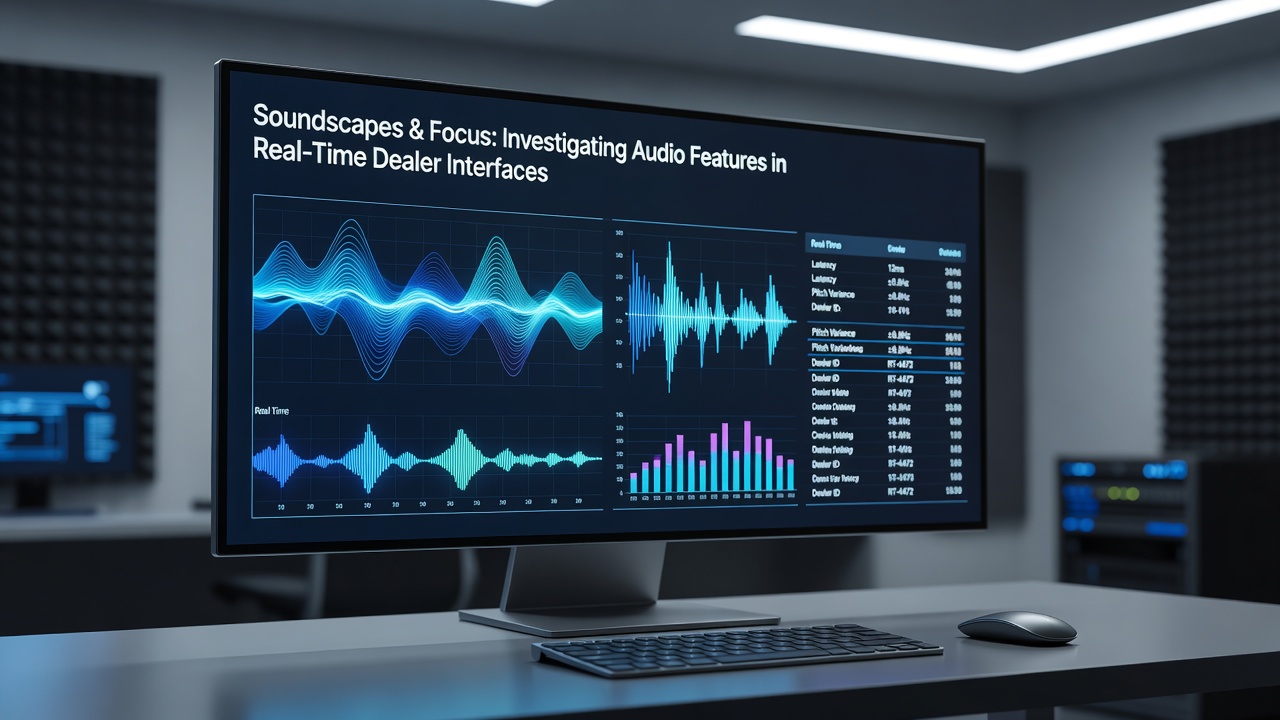
Soundscapes and Focus: Investigating Audio Features in Real-Time Dealer Interfaces
Real-time dealer interfaces combine live video streams with layered audio elements that include dealer speech, chip handling sounds, ambient table noise, and background music, and these components shape how players maintain attention during extended sessions. Research indicates that synchronized audio cues help reinforce the sense of presence at a physical table even when participants connect through mobile or desktop platforms, while mismatched timing between visuals and sound can disrupt concentration within seconds of play beginning.
Core Audio Components in Live Dealer Systems
Dealers speak directly into microphones positioned at gaming tables, and their voices carry instructions, greetings, and outcome announcements that reach players through dedicated audio channels separate from environmental tracks. Chip clacks, card shuffles, and wheel spins generate distinct sonic signatures that software providers capture at the source and transmit with minimal latency, allowing listeners to register each action as it occurs. Many platforms also layer optional ambient tracks that replicate distant casino floor activity, and operators adjust volume levels independently so users can emphasize dealer commentary while reducing background elements during focused betting rounds.
Studies on auditory processing show that consistent sound patterns activate memory associations with prior wins or near-misses, and developers have begun embedding these patterns into interface design to support longer periods of sustained attention. As of June 2026 several major software studios reported testing adaptive audio engines that raise or lower specific frequencies based on individual session data, though regulatory filings from the Nevada Gaming Control Board indicate that such features remain under review for fairness compliance.
Impact on Player Concentration Metrics
Analytics platforms tracking eye movement and click timing have recorded measurable differences when audio feeds remain stable versus when they experience dropouts or desynchronization. Participants exposed to uninterrupted dealer narration completed decision sequences with fewer pauses than those hearing intermittent static or delayed audio, and aggregate data collected across multiple jurisdictions points to a correlation between audio reliability and session duration. Researchers at the University of Sydney documented similar patterns in controlled experiments where volunteers played simulated live dealer games under varied sound conditions, noting that clear vocal cues reduced cognitive load during rapid betting phases.
Interfaces now include user controls that let players mute individual audio layers or boost dialogue clarity, and these options appear most frequently on mobile applications where device speakers vary widely in quality. Industry reports from the Interactive Games and Entertainment Association highlight that customizable sound settings correlate with higher completion rates for tutorial sequences, because new users can isolate dealer instructions without competing ambient noise.
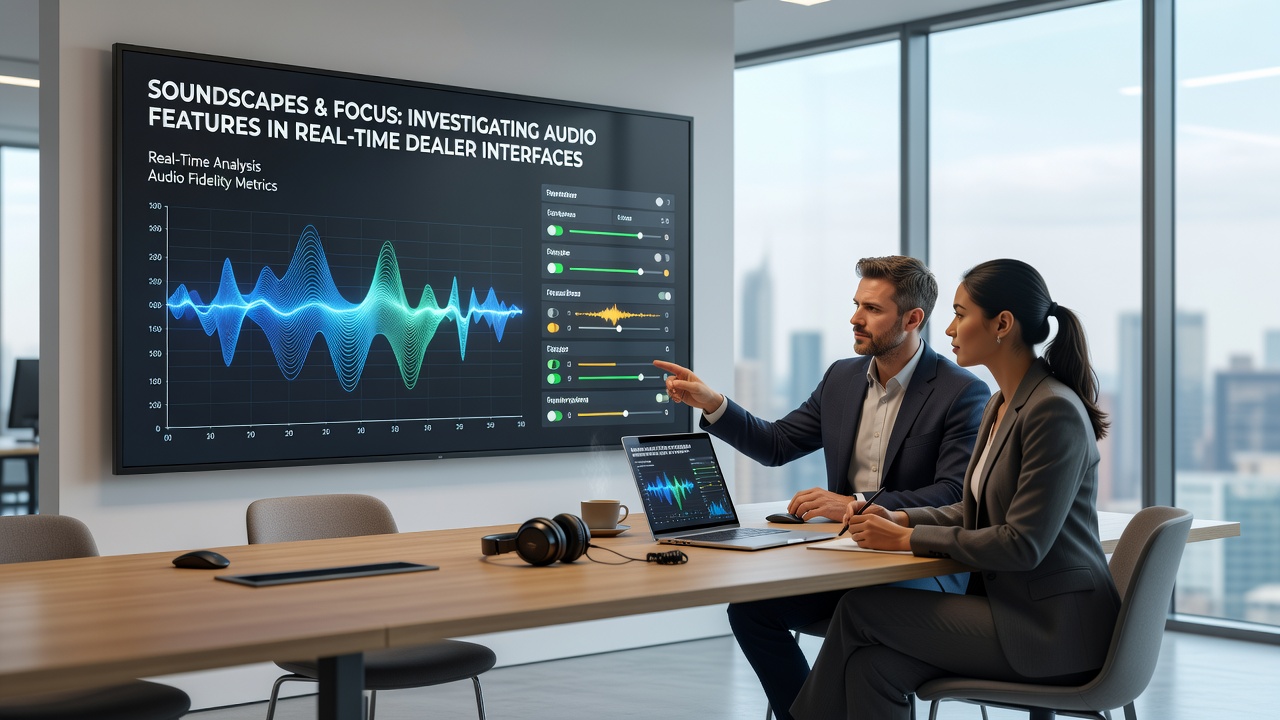
Technical Synchronization and Latency Challenges
Streaming protocols must align video frames with corresponding audio packets to within 50 milliseconds or players begin to notice lip movement preceding spoken words, and providers address this through dedicated low-latency servers positioned near major data centers. When latency spikes occur, automated systems often substitute pre-recorded dealer phrases or mute environmental tracks until full synchronization resumes, preserving the illusion of continuous play. Observers note that these fallback mechanisms have become standard across European and North American operators following joint technical standards published in early 2025.
Hardware variations among end-user devices further complicate delivery, because tablet speakers reproduce low-frequency chip sounds differently than laptop audio drivers, and developers compensate by offering equalizer presets tuned to common device categories. Data collected through platform telemetry shows that users who activate device-specific audio profiles maintain consistent betting tempos even when switching between Wi-Fi and cellular connections.
Regulatory and Research Developments
Gaming authorities in multiple regions now request documentation of audio feature testing as part of platform certification processes, and the Alcohol and Gaming Commission of Ontario requires operators to demonstrate that sound design does not inadvertently encourage prolonged play through repetitive reward-associated tones. Academic teams continue to examine how specific frequency ranges influence heart-rate variability during live dealer sessions, with preliminary results suggesting that mid-range vocal frequencies produce steadier attention curves than high-frequency ambient layers.
Software updates rolled out in the first half of 2026 introduced real-time audio analytics dashboards visible to compliance officers, allowing regulators to review average volume levels and muting rates across player cohorts. These tools emerged after collaborative workshops between providers and oversight bodies in Australia and Canada, where representatives examined how soundscapes might interact with responsible gaming prompts displayed on screen.
Future Directions for Audio Integration
Engineers are exploring spatial audio formats that place dealer voices in three-dimensional space relative to virtual table positions, and early prototypes indicate that such positioning can sharpen players' ability to track multiple betting areas simultaneously. Integration with wearable audio devices is also under evaluation, because bone-conduction headsets transmit dealer speech without blocking environmental awareness on the player side. Continued refinement of these features depends on ongoing data collection from live environments and close coordination with testing laboratories certified by regional authorities.
Conclusion
Audio design in real-time dealer interfaces has evolved from basic voice transmission to multi-layered systems that directly influence focus and engagement patterns. Technical synchronization standards, user customization options, and regulatory oversight continue to shape how these soundscapes develop, while research from academic and industry sources provides measurable benchmarks for evaluating their effects on player behavior across platforms.