Tracing Cryptocurrency Wallet Integrations for Streamlined Reward Redemptions in Portable Table Formats
Written by Katja Beck · May 29, 2026
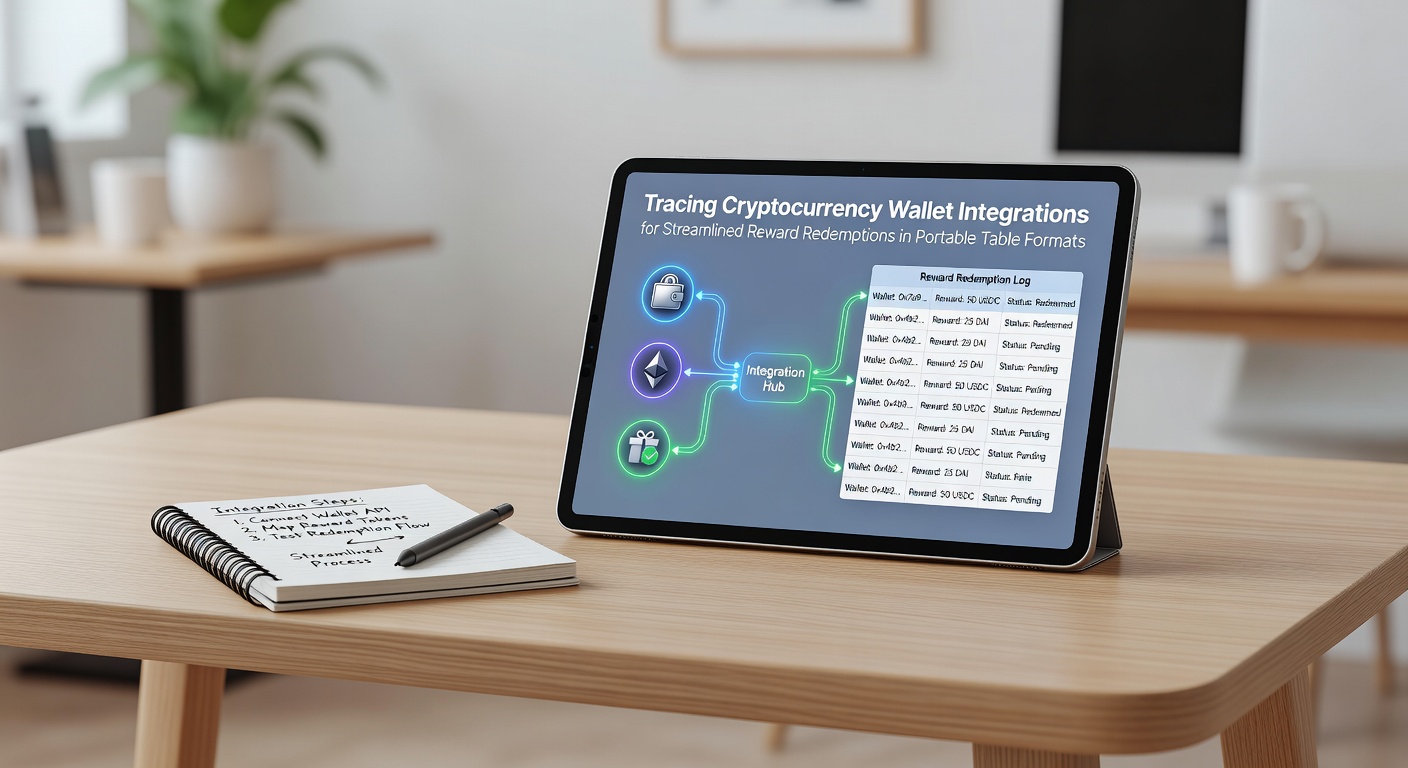
Tracing Cryptocurrency Wallet Integrations for Streamlined Reward Redemptions in Portable Table Formats
Developers have traced cryptocurrency wallet integrations through multiple layers of API connections that connect user accounts to reward systems across digital platforms and these connections allow direct transfers from blockchain networks into redemption interfaces without intermediate banking steps. Data from such integrations often flows into portable table formats that users export as CSV or JSON files for use on various devices and applications while maintaining consistent formatting across operating systems.
Core Components of Wallet Integration Processes
Wallet providers establish secure endpoints that authenticate transactions through private key signatures and public blockchain verification and this setup supports reward redemptions by triggering smart contract executions that release digital assets upon meeting predefined criteria such as purchase thresholds or engagement milestones. Researchers at institutions like the University of Cambridge have documented how these endpoints reduce processing times from days to seconds in systems that handle loyalty points converted to tokens.
Portable table formats enter the workflow when platforms generate real-time summaries of redemption histories and these tables include columns for transaction hashes, wallet addresses, redemption values, and timestamps. Users move these tables between spreadsheet applications and mobile dashboards without data loss because the structures rely on standardized delimiters that preserve integrity during transfers.
Technical Tracing Methods in Practice
Tracing begins with log analysis tools that record every API call between the wallet and the reward platform and analysts examine these logs to identify latency points or failed redemptions that occur when network congestion affects confirmation speeds. In May 2026 several enterprise solutions updated their tracing protocols to include automated alerts for discrepancies between expected and actual token releases.
Blockchain explorers supplement internal logs by providing independent verification of on-chain events tied to each redemption and this dual approach helps administrators maintain accurate records that feed directly into the portable tables. The tables then serve as exportable audit trails that comply with reporting requirements from regulatory bodies in regions such as the European Union and Australia.
Data Management Through Portable Tables
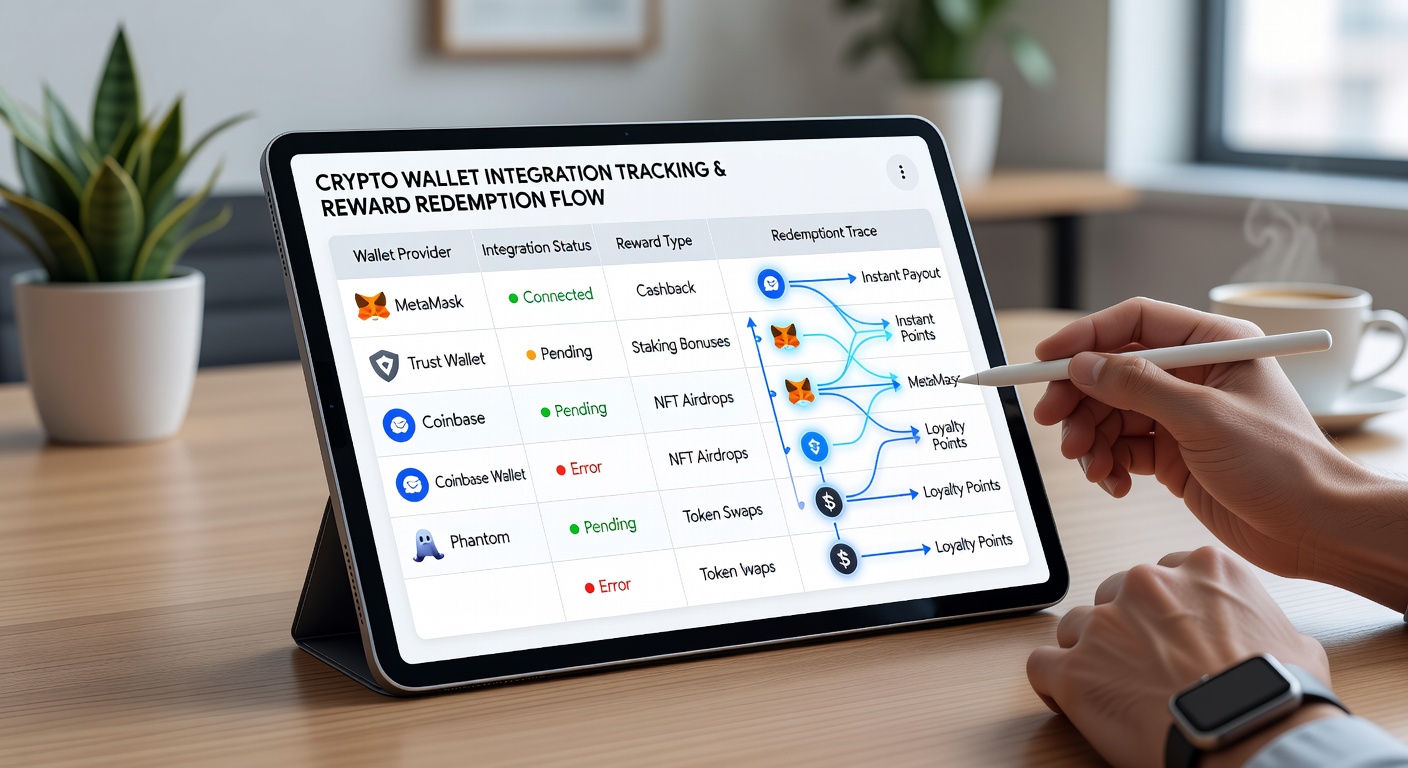
Portable tables organize redemption data into rows that correspond to individual user actions and columns that capture essential metrics including token type, equivalent fiat value at the time of redemption, and platform fees deducted during transfer. This structure enables quick filtering and sorting operations that reveal patterns such as peak redemption periods or preferred wallet types among user groups.
Integration teams often embed scripts within the table generation process that automatically pull exchange rate data from public APIs so that each entry reflects current market conditions and this automation minimizes manual updates while keeping the information current for decision-making purposes. Organizations in Canada and Singapore have adopted similar table-based systems to monitor cross-border reward programs that rely on cryptocurrency settlements.
Recent Developments and Standards
Industry groups released updated guidelines in early 2026 that recommend specific metadata fields for portable tables used in cryptocurrency reward systems and these fields cover aspects like gas fee calculations and multi-signature approval statuses. Adoption of the guidelines has led to greater interoperability between different wallet providers and redemption platforms.
Tracing capabilities have expanded to include visual mapping of fund flows from initial deposit through final redemption and such maps integrate with the table exports to create comprehensive reports suitable for compliance reviews. Data from these reports shows increased volumes of reward redemptions processed via integrated wallets in markets outside traditional financial centers.
Conclusion
Wallet integrations continue to evolve alongside improvements in portable table formats that support efficient data handling and redemption tracking. The combination enables platforms to deliver faster reward access while maintaining verifiable records that align with requirements from various international oversight entities. Ongoing refinements in May 2026 and beyond focus on enhancing security protocols and table portability features that accommodate emerging blockchain standards.