Unpacking Synchronization Challenges Between Live Dealer Feeds and Mobile App Interfaces Across Software Providers
Written by Greta Albrecht · Jun 3, 2026
Unpacking Synchronization Challenges Between Live Dealer Feeds and Mobile App Interfaces Across Software Providers
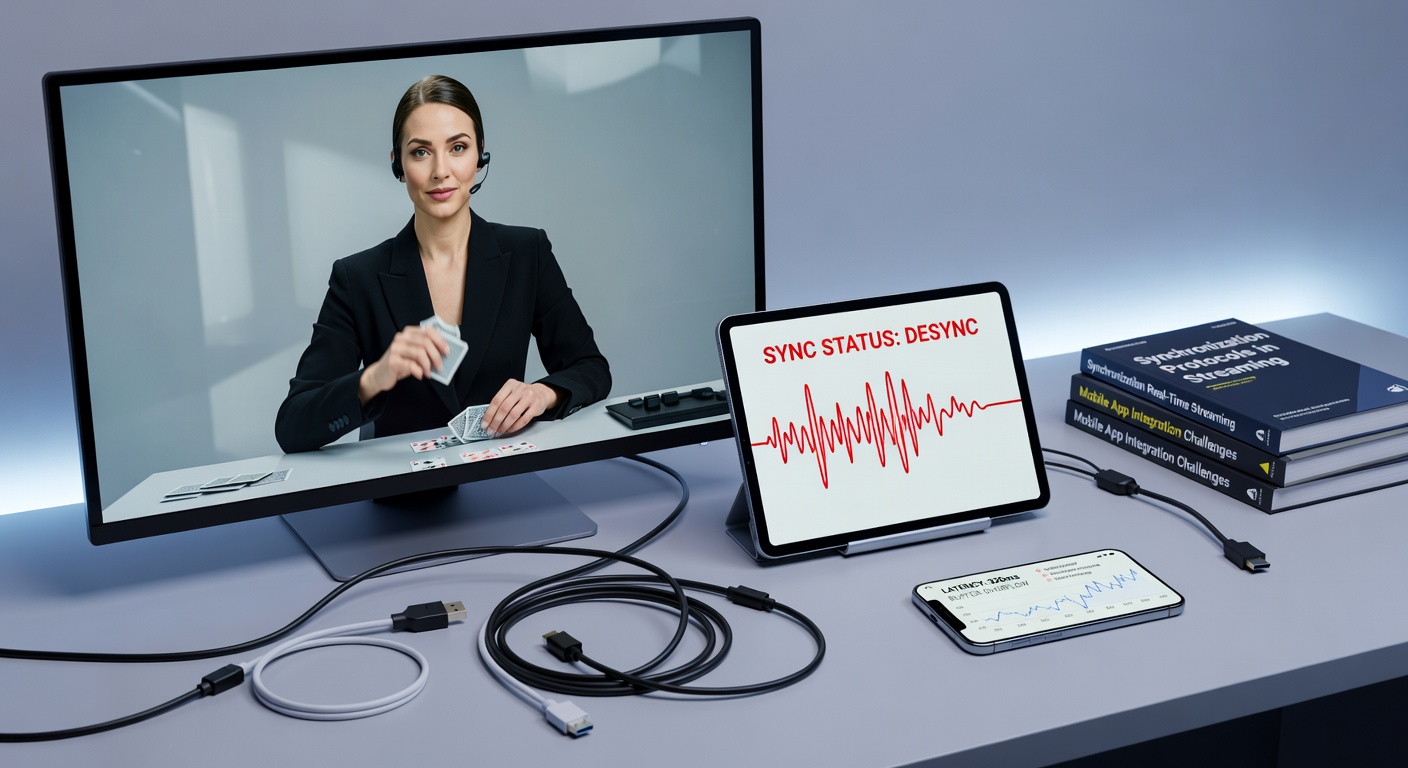
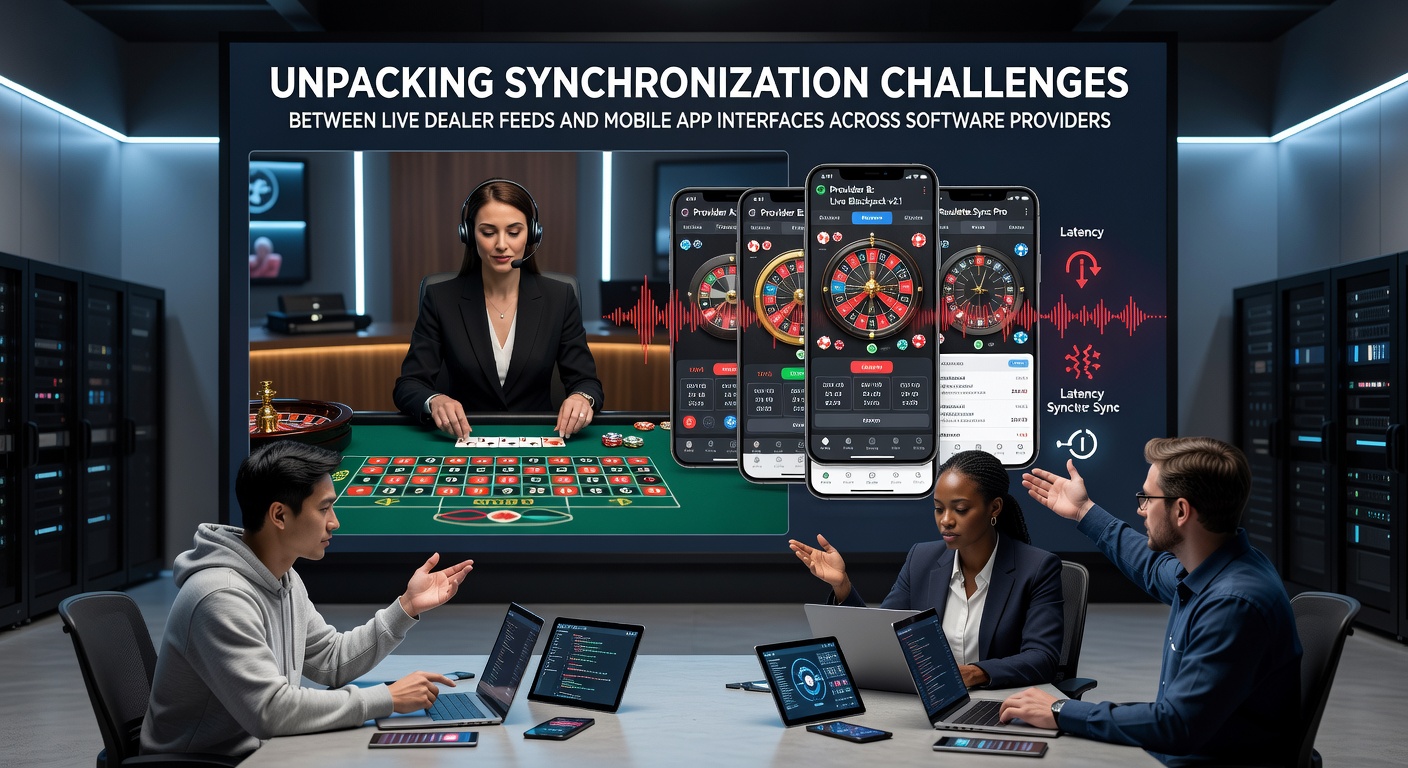
Live dealer feeds transmit continuous video streams from physical tables to player devices, while mobile app interfaces manage real-time betting controls, balance updates, and interactive overlays. Software providers such as Evolution Gaming, Playtech, and Pragmatic Play each maintain distinct streaming protocols and API frameworks that create alignment issues when feeds meet app layers on smartphones. Data from industry analyses shows latency gaps often range between 800 milliseconds and 2.5 seconds depending on the provider stack and network path.Protocol Variations Across Providers
Different providers encode video using separate compression standards and frame delivery methods, which forces mobile apps to adapt decoding pipelines on the fly. One provider might push H.264 streams at variable bitrates while another relies on WebRTC for lower-latency delivery, and these differences surface when players switch tables mid-session or rotate devices. Research indicates that cross-provider integration requires custom middleware layers, yet those layers introduce additional processing steps that compound timing mismatches between the visual feed and the touch-responsive betting grid. Mobile operating systems add another variable because iOS and Android handle background processes and network prioritization differently. Apps built for one ecosystem must compensate when feeds arrive with inconsistent packet timing, and developers report that frame drops increase during peak evening hours when multiple concurrent streams compete for bandwidth.Latency Sources and Measurement Points
Synchronization failures typically originate at three junctions: the studio capture stage, the content delivery network relay, and the device rendering buffer. Studies conducted by technical teams at major operators reveal that studio-to-CDN handoff accounts for roughly 40 percent of observed delays, while device-side decoding contributes another 35 percent. The remaining portion stems from app interface polling cycles that do not always align with incoming video timestamps. In June 2026 several providers released updated SDK versions aimed at tightening these windows, yet adoption rates varied because operators needed to re-certify entire app builds through multiple regulatory channels. Figures from North American testing labs showed measurable improvement on 5G connections but persistent gaps on legacy LTE networks used in certain Asian markets.